
When a loved one enters the hospital, families often feel overwhelmed, rushed, and unsure of what is really happening.
The hospital may be doing its best. Doctors, nurses, case managers, discharge planners, and social workers are often working under pressure. But even when care is appropriate, the full family situation may not be clear.
That is where Nightingale Patient Advocates can help.
Carolyn Wheeler, RN, is a clinical nurse advocate and professional concierge patient advocate with more than 30 years of medical experience. She understands emergency rooms, hospital admissions, bedside care, discharge planning, medication concerns, family stress, and the difficult conversations that often happen when an older adult can no longer safely return home.
Nightingale Patient Advocates serves families across Palm Beach County, including Jupiter, Juno Beach, Tequesta, North Palm Beach, Palm Beach Gardens, West Palm Beach, Palm Beach Island, Delray Beach, and surrounding South Florida communities.
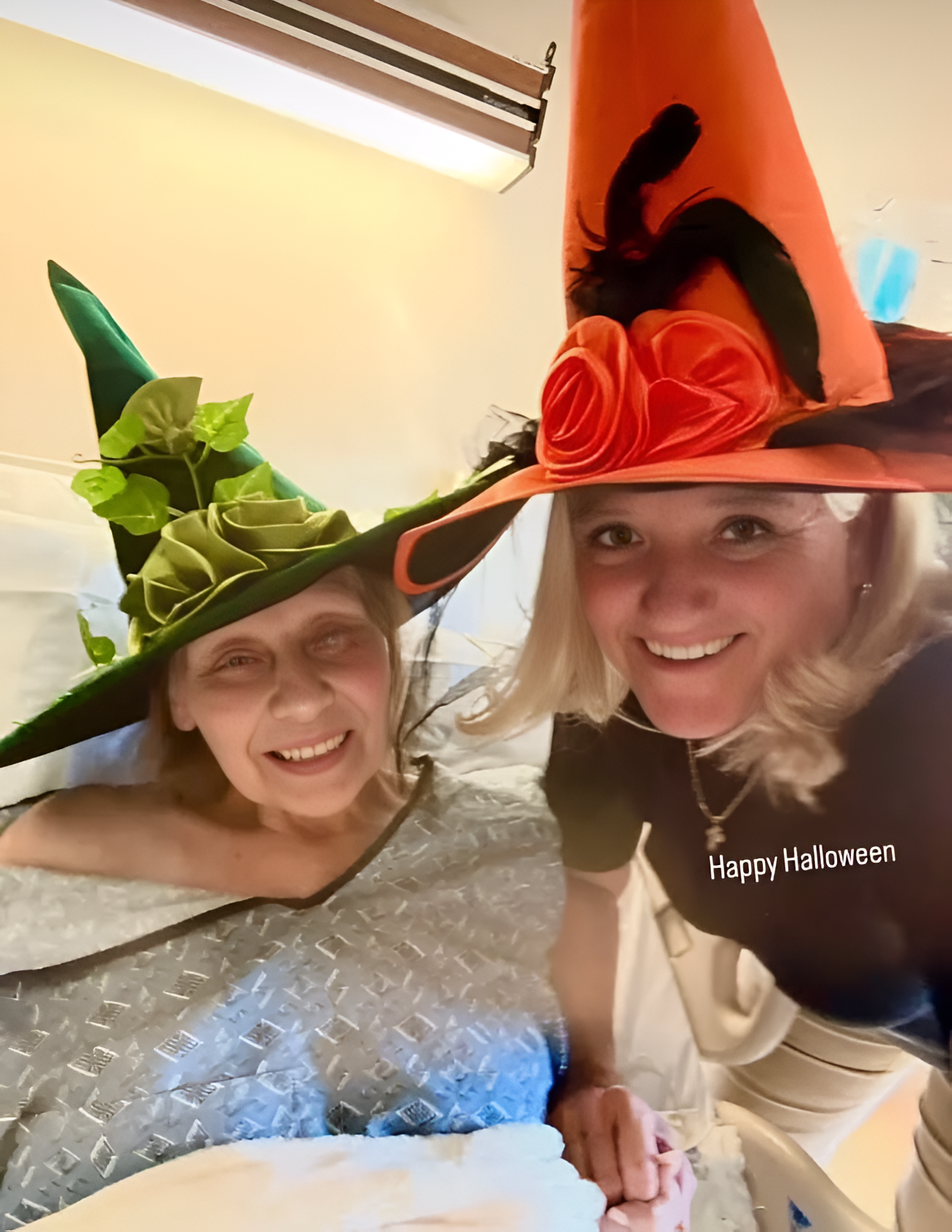
A hospital stay can move quickly.
One moment, a loved one is in the emergency room. The next, the family is being asked about admission, discharge, home care, rehab, medication changes, transportation, follow-up appointments, or long-term safety.
Families may not know what questions to ask.
A hospital patient advocate helps slow the process down, ask clear questions, and make sure the full picture is understood before major decisions are made.
Hospitals often see the medical issue in front of them.
They may see the fall, the infection, the confusion, the weakness, the blood pressure issue, the medication problem, or the emergency room visit.
But they may not fully see what is happening at home.
This is one of the most important reasons to have a clinical patient advocate involved.
Carolyn Wheeler, RN, knows how to look beyond the chart. She understands the medical facts, but she also understands the family reality.

Imagine an 89-year-old husband in the hospital.
He is confused, combative, medically fragile, and no longer safe to manage without serious support.
His 82-year-old wife loves him deeply, but she is physically and emotionally exhausted.
A discharge plan begins to form around sending him back home under her care.
On paper, that may sound simple.
In a situation like this, Carolyn Wheeler, RN, can help bring the real facts forward. She can speak with hospital staff, case management, discharge planning, and social services. She can help make sure the family is heard and the patient is protected.
Nightingale Patient Advocates can support families at key moments, including:
Carolyn does not replace the hospital team. She helps the family understand the hospital process and helps the hospital understand the family situation.


The emergency room can be confusing and stressful.
Families may hear unfamiliar terms. They may not know whether the patient is being admitted, observed, transferred, or discharged. They may not understand what tests were ordered or what the next step should be.
Carolyn Wheeler, RN, can help families ask better questions in the ER.
These questions matter.
A rushed discharge without full context can create serious problems for elderly patients and their families.
A hospital admission is not just paperwork.
It is the start of a process that may affect the patient’s safety, care plan, medications, follow-up needs, and discharge options.
Carolyn can help families understand what is happening during admission. She can help organize information, clarify medical history, identify family concerns, and make sure important details are not missed.
This is especially important when adult children live out of state, siblings disagree, or an elderly spouse is too overwhelmed to explain the full situation.


Families often feel uncomfortable speaking up in a hospital.
They may not want to bother the nurses.
They may not want to challenge the doctor.
They may not know whether their concern is serious.
A bedside advocate can help bring calm structure to the room.
Carolyn can help observe, ask questions, listen carefully, and help families understand what is being said. Her background as an experienced registered nurse gives her the ability to recognize concerns early and communicate clearly.
Discharge Planning Is One of the Most Important Moments
Discharge is not just leaving the hospital.
Discharge is a safety decision.
A poor discharge plan can lead to medication mistakes, falls, caregiver burnout, confusion, rehospitalization, and family crisis.
Before discharge, families should understand:
Nightingale Patient Advocates helps families look at discharge through a practical, clinical, and family-centered lens.