The call comes at 11 PM. Your mother is in the emergency room in Palm Beach County. You’re in Ohio. Or New York. Or Philadelphia.
You can’t see her. You can’t hear what’s being said. Worse, every person you reach tells you a different version of the story.
If that’s where you are right now, this guide is for you. It covers the first 24 hours, the questions to ask tonight, and how a patient advocate in Palm Beach County can become your eyes, ears, and voice at the bedside.
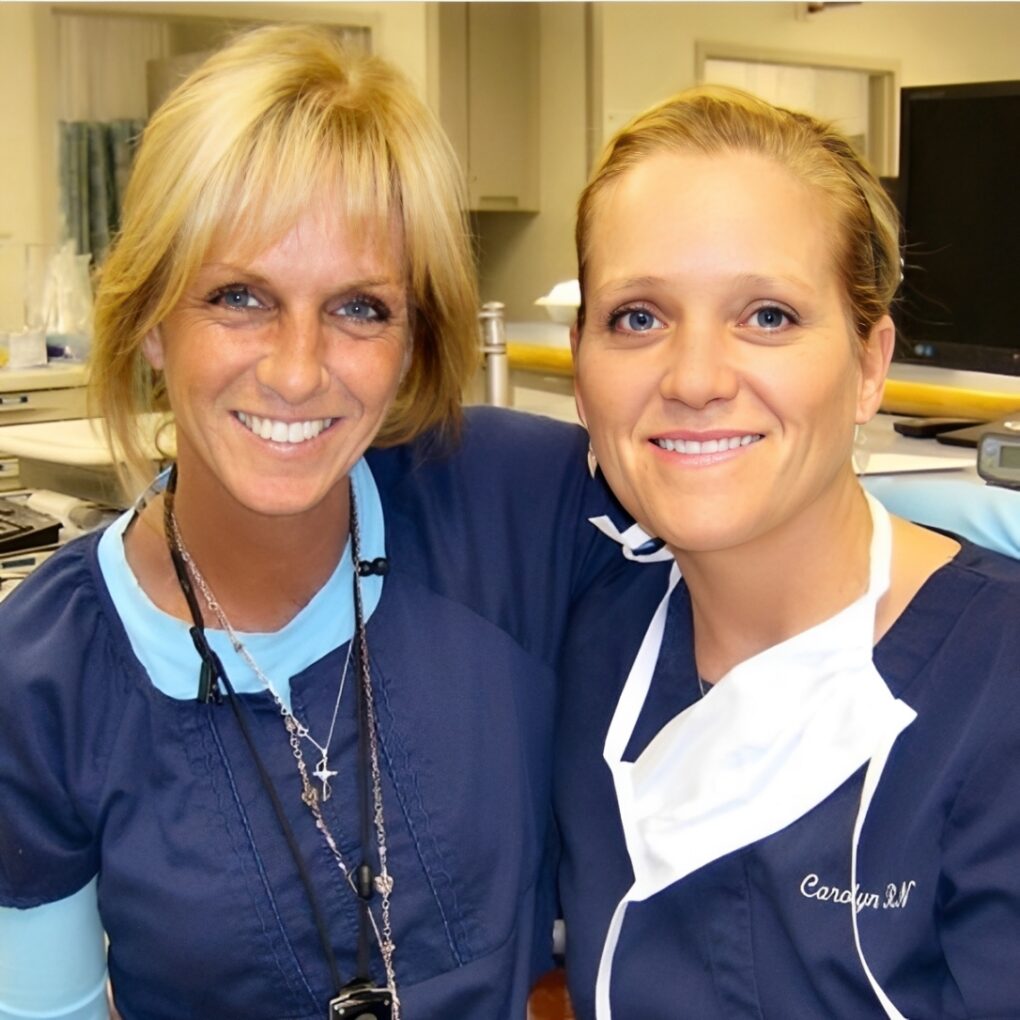
I’m Carolyn Wheeler. I’m a registered nurse with more than three decades in emergency, trauma, and critical care nursing. I founded Nightingale Patient Advocates for families like yours — the ones who can’t be there in person.
The first 24 hours from a thousand miles away
You can’t do everything from a distance. But these five steps matter most:
- Get one name. First, ask for the attending physician’s name. Then ask for the charge nurse on your parent’s unit. Write both down. Every future call starts with those two names.
- Designate one family spokesperson. Hospitals answer more clearly when one person calls. So choose the calmest family member — not the closest, the calmest.
- Ask the three questions tonight. What is the working diagnosis? What is the plan for the next 12 hours? And who do I call if something changes? Write the answers down word for word.
- Start a notes file. Record the date, the time, who you spoke with, and what they said. Memory blurs under stress. Notes don’t. This file becomes your family’s single source of truth.
- Don’t agree to a discharge plan yet. Not over the phone. Not under pressure. Discharge is where this guide gets serious — so read the next section first.
Why the most dangerous part of a hospital stay is the discharge
Families relax when discharge day arrives. Experienced nurses don’t.
Discharge is when the cracks show up. Medication lists get muddled. Follow-up appointments never get booked. “Home health will call you” turns into three days of silence. And a parent who needed rehab goes home alone instead.
For local families, these cracks are hard enough. For out-of-state families, they’re invisible — until the readmission.
A safe discharge has specific parts:
- A reconciled medication list — what changed, what stopped, what started, and why
- Follow-up appointments actually booked, not just recommended
- Home services confirmed, with a start date, before your parent walks out
- Warning signs in plain language — what to watch for, and exactly who to call
- One point of contact for the first 72 hours at home
If any piece is missing, the discharge isn’t ready. It doesn’t matter what the calendar says.
What a patient advocate in Palm Beach County does for distant families
Advocacy isn’t a slogan. It’s a specific set of jobs, done by a clinician who knows the system from the inside:
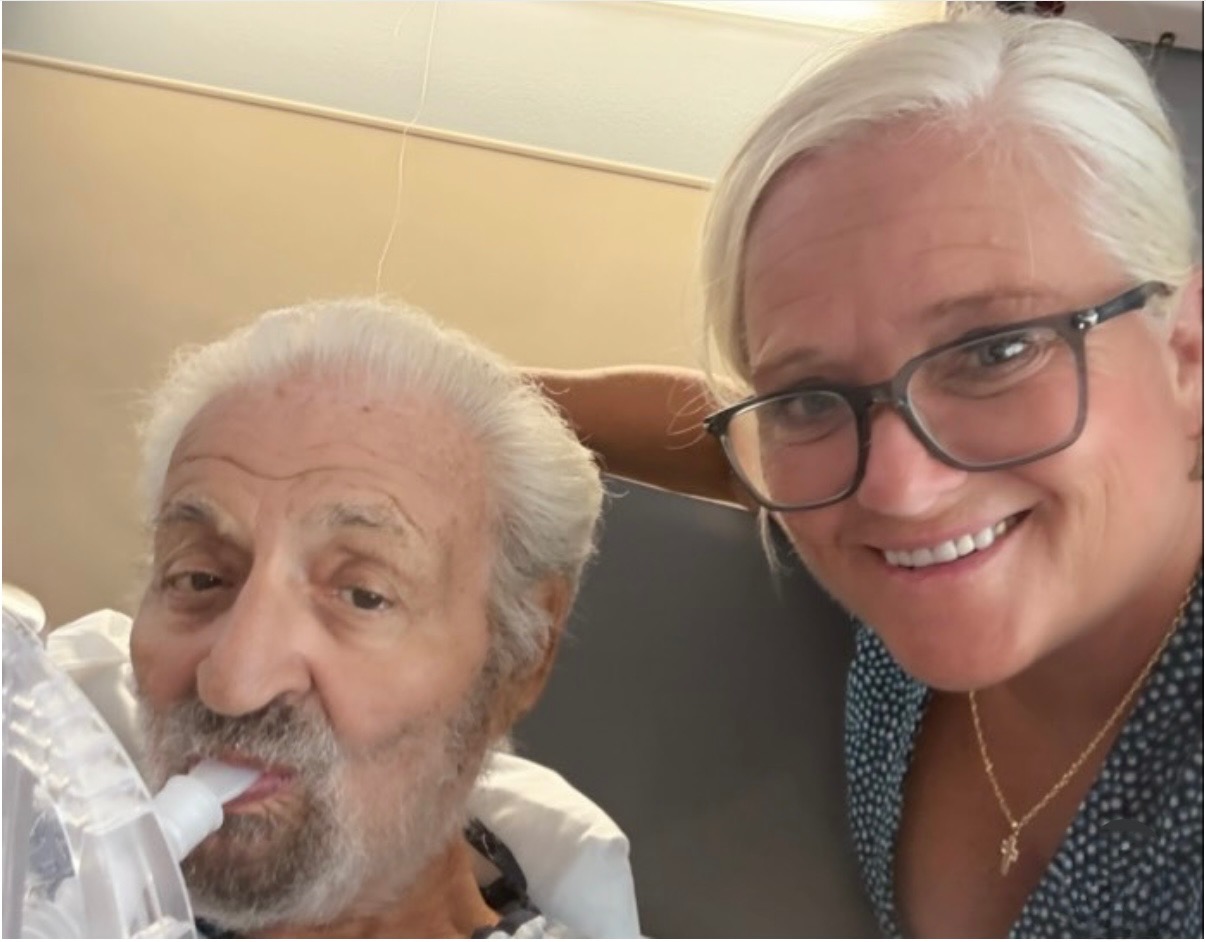
- Bedside presence. A registered nurse at your parent’s side in the hospital. She observes, asks questions, and makes sure concerns get heard while decisions are being made.
- Discharge advocacy. We pressure-test the discharge plan before it happens. Medications, follow-ups, home services, warning signs — all confirmed, all documented.
- Appointment advocacy. We attend key medical appointments and take clinical notes. Your parent’s questions get asked. They also get answered.
- Healthcare navigation. We monitor the patient portal and coordinate between specialists who never talk to each other. Meanwhile, your family gets updates in plain language.
- Aging parent support. Guidance for the longer road: nursing home decisions, dementia communication, advance directives, and the hard conversations families need to have.
After every step, you get one clear report. No jargon. No guessing. And no 11 PM phone tag with a nurses’ station.
How to choose a patient advocate you can trust
Distance makes trust harder. It also makes trust more important. Vet any advocate, including us, with these questions:
- Are you a clinician? Healthcare advocacy is clinical work. Ask about license, specialty, and years at the bedside.
- Will you be there in person? Phone support helps. However, bedside presence changes outcomes. Know which one you’re hiring.
- How will you report to us? After every visit, you should get a clear written update: what happened, what changed, what’s next.
- What don’t you do? An honest advocate names their limits. We don’t replace your parent’s doctors. We make sure nothing falls through the cracks between them.
- Can we talk first? You should speak directly with the advocate. You should feel heard — not sold to.
Frequently asked questions
My parent is in a Palm Beach County hospital, and I live out of state. Where do I start?
Start tonight. Get the physician’s and charge nurse’s names, pick one family spokesperson, and ask the three questions above. Then call us at (215) 680-1523. One conversation will clarify what your parent needs — and what we can take off your plate.
What does a patient advocate do that the hospital doesn’t?
The hospital treats the condition. A patient advocate in Palm Beach County works only for your parent and your family. She coordinates across specialists, pressure-tests discharge plans, attends appointments, and translates medical language into clear next steps. One loyalty. One patient.
When should we call an advocate — before discharge or after?
Before. The highest-value moment is during the hospital stay, while the discharge plan can still be shaped. That said, it’s rarely too late. Post-discharge confusion is exactly what we untangle every week.
Do you only serve Palm Beach County?
Our home ground is Palm Beach County: Jupiter, North Palm Beach, Palm Beach Gardens, Delray Beach, and nearby communities. We also serve families in the Philadelphia area. If you’re outside both, call anyway. We’ll tell you honestly whether we can help.
How much does a patient advocate cost?
It depends on the situation. A single discharge differs from ongoing support. We discuss fees openly and in advance, before any commitment. No surprises, ever.
You don’t have to do this from a thousand miles away alone. If your parent is hospitalized in Palm Beach County — or a hospital stay is coming — start with one conversation.
Call (215) 680-1523. Nightingale Patient Advocates.
Carolyn Wheeler, RN — Nightingale Patient Advocates. This article is general information, not medical advice. In an emergency, call 911.