When someone you love is in the hospital, clear information can help your family take the next step. This guide brings together Palm Beach County hospital resources, emergency numbers, and support for older adults and caregivers.
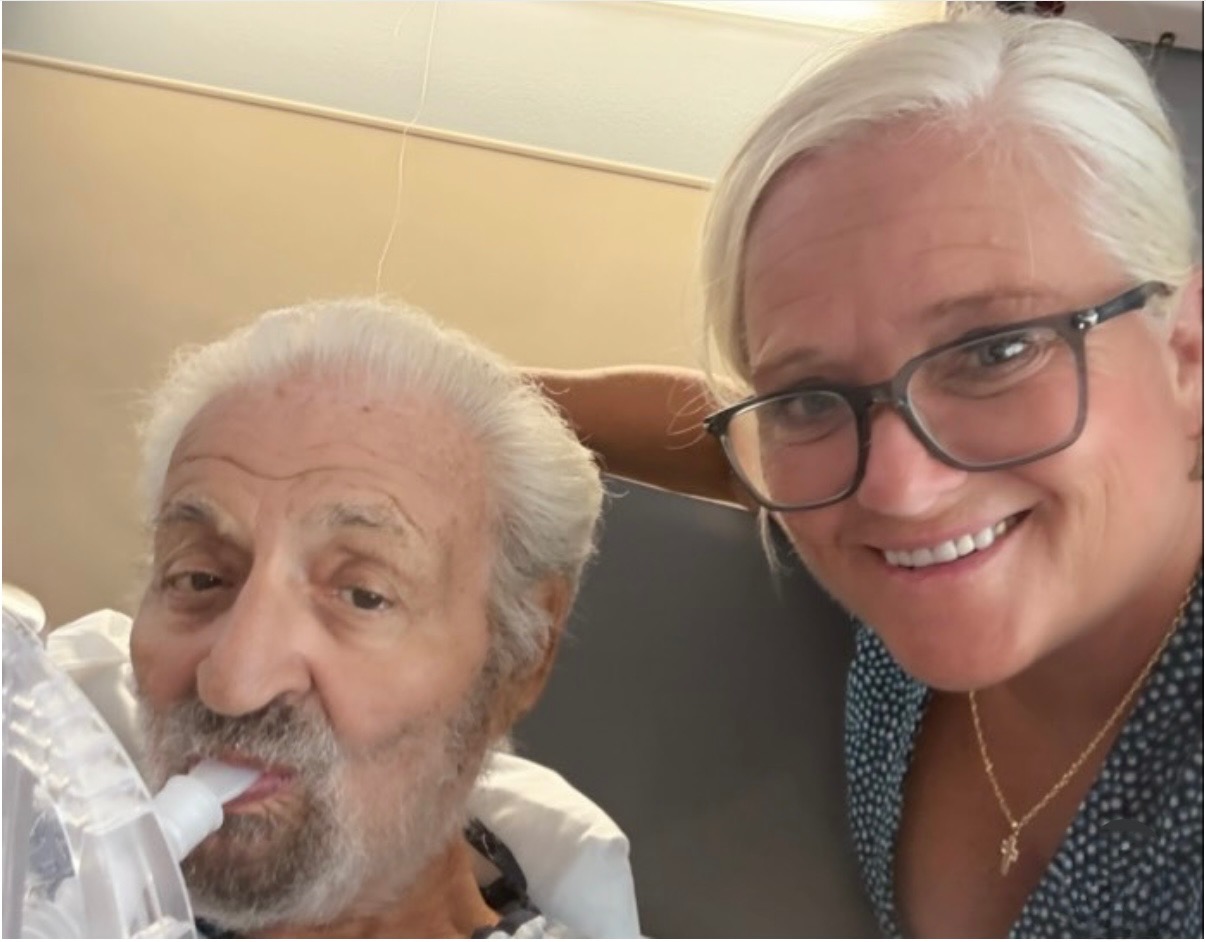
Carolyn Wheeler, RN, founded Nightingale Patient Advocates. She brings 34 years of emergency and trauma nursing experience to her work with families. She helps families understand hospital conversations, prepare questions, and plan for care after discharge.
Nightingale Patient Advocates serves families throughout Palm Beach County, including Jupiter, Palm Beach Gardens, West Palm Beach, Delray Beach, and Boca Raton.
Emergency and Support Numbers to Save
Call 911 for a medical emergency or immediate danger. Call if someone is unconscious, having trouble breathing, experiencing chest pain or stroke symptoms, or at risk of serious harm.
- Poison Control: 1-800-222-1222 . Call about a possible poisoning or medication mistake. Help is free and confidential, 24 hours a day. Keep the product container nearby. Do not make the person vomit unless a poison expert tells you to.
- 988 Suicide & Crisis Lifeline: Call or text 988 — Contact 988 for suicidal thoughts or emotional distress. Call 911 if there is immediate danger or a medical emergency.
- Florida Abuse Hotline: 1-800-962-2873 — Report suspected abuse, neglect, or exploitation of a child or vulnerable adult. If someone is in immediate danger, call 911 first.
- 211 Palm Beach and Treasure Coast: Dial 211 — Get local crisis support and community referrals.
Palm Beach County Hospitals
Hospital names below link to each hospital’s website. Call 911 for an emergency; do not delay emergency care to compare hospitals.
North County
- Jupiter Medical Center — Jupiter
- Palm Beach Gardens Medical Center — Palm Beach Gardens
Central County and nearby communities
- St. Mary’s Medical Center — West Palm Beach
- HCA Florida JFK North Hospital — West Palm Beach
- Good Samaritan Medical Center — West Palm Beach
- Thomas H. Corey VA Medical Center — West Palm Beach; for eligible Veterans
- HCA Florida Palms West Hospital — Loxahatchee
- Wellington Regional Medical Center — Wellington
- HCA Florida JFK Hospital — Atlantis
South County
- Bethesda Hospital East — Boynton Beach
- Delray Medical Center — Delray Beach
- Boca Raton Regional Hospital — Boca Raton
- West Boca Medical Center — Boca Raton
Palm Beach County has two state-designated Level I trauma centers: St. Mary’s Medical Center and Delray Medical Center. For a serious injury, call 911. Emergency medical services will choose an appropriate destination based on the person’s condition and local protocols. See Florida’s trauma center information.
Resources for Older Adults and Caregivers
These organizations can help families explore senior services, dementia support, facility information, and hospice care. Select a name to visit the organization’s website.
- Area Agency on Aging of Palm Beach/Treasure Coast — Information about aging services, caregiver support, and local programs.
- Palm Beach County Senior and Veteran Services — County services may include case management, in-home support, adult day care, and meals.
- FloridaHealthFinder — Search for Florida health care facilities and review available inspection and facility information.
- Florida Long-Term Care Ombudsman Program — Help for residents of nursing homes, assisted living facilities, and other long-term care settings.
- Alzheimer’s Community Care — Dementia services and support for people living with Alzheimer’s disease and related disorders, and their families.
- Alzheimer’s Association — Dementia information, education, and caregiver support.
- Trustbridge — Hospice, palliative care, and grief support.
- 211 Palm Beach and Treasure Coast — Local referrals and community support.
If you suspect abuse, neglect, or exploitation of a vulnerable adult, call the Florida Abuse Hotline at 1-800-962-2873. Call 911 if the person is in immediate danger.
Questions to Ask in the Emergency Room
The hospital team may not know what daily life is like at home. Share important details about confusion, falls, medication concerns, caregiver exhaustion, or safety risks.
These questions can help your family understand what is happening:
- What changed medically?
- Which tests are complete? Are any results still pending?
- Is the patient formally admitted as an inpatient, or receiving outpatient observation?
- Should a case manager or social worker be involved?
- What should the family watch for next?
Ask the care team to explain the patient’s status in plain language. Under Original Medicare, time spent in outpatient observation generally does not count toward the three-day inpatient stay required for many skilled nursing facility stays. Some Medicare Advantage plans and approved waivers may have different rules. Check with the hospital and the patient’s plan. Learn more about Medicare hospital status and skilled nursing coverage.
Plan for a Safer Discharge
Before your loved one leaves the hospital, make sure the family understands the next steps. Ask:
- Where will the patient go after discharge?
- Who will help during the day and overnight?
- Which medicines have changed?
- Which symptoms mean we should call the doctor or return to the emergency room?
- Who will arrange transportation and follow-up appointments?
- Can the caregiver safely manage the plan at home?
If the plan is unclear, ask to speak with the case manager or discharge planner. If a Medicare-covered inpatient stay is ending and you believe discharge is too soon, ask for the Important Message from Medicare and follow its instructions and deadline to request a fast appeal. Medicare explains hospital appeal rights.
Choosing Assisted Living or Skilled Nursing
Take time to learn about a facility before making a decision. Families can:
- Review inspection information on FloridaHealthFinder.
- Visit more than once, including at mealtime or during a shift change.
- Ask about staffing at night and how staff report medication concerns.
- Confirm that the facility can meet the person’s needs, including memory care if needed.
- Contact the Long-Term Care Ombudsman if they have concerns about a resident’s rights, safety, or care.
How a Palm Beach County Patient Advocate Can Help
Carolyn Wheeler, RN, helps families organize information, prepare questions, and communicate a loved one’s needs to the care team. Depending on the situation, she can support families during:
- Emergency room visits and hospital stays
- Conversations with doctors and nurses
- Case management and social services meetings
- Discharge planning
- Rehabilitation and skilled nursing discussions
- Long-term care planning
Nightingale Patient Advocates provides clinical nurse advocacy. Carolyn does not provide hands-on nursing care or replace the hospital team. She helps families better understand the process and share important information about the patient’s needs at home.
Frequently Asked Questions
What does a hospital patient advocate do?
A patient advocate helps families organize information, prepare questions, and understand care discussions. An advocate can also help the care team understand a patient’s needs and circumstances at home.
Can Carolyn help if I live outside Florida?
Yes. Carolyn can support families who live outside Florida and cannot always be at the bedside.
Which hospitals does Nightingale Patient Advocates serve?
Nightingale Patient Advocates supports families at hospitals throughout Palm Beach County, from Jupiter to Boca Raton. Carolyn can also help families discuss rehabilitation, skilled nursing, and assisted living options.
Talk With Carolyn Wheeler, RN
A hospital stay or discharge decision can feel overwhelming. Carolyn can help your family understand the process, prepare questions, and organize next steps.
Call Carolyn at (215) 680-1523 or schedule a consultation.
Nightingale Patient Advocates provides clinical nurse advocacy throughout Palm Beach County. For a medical emergency, call 911.