
A medical emergency can change a family’s life in an instant. One unexpected fall, stroke, surgery, or hospital admission often leaves spouses, adult children, and caregivers scrambling to understand complex medical information while making important decisions under tremendous stress.
Many families assume they have only two choices: navigate the healthcare system alone or hope everything works out. In reality, there is another option that can provide clarity and confidence during an overwhelming time—a professional patient advocate.
1. When You Don’t Understand What the Medical Team Is Saying
Physicians and nurses work incredibly hard, but hospital conversations often move quickly and involve unfamiliar terminology. Families may leave a discussion believing they understood the plan, only to realize later that they have unanswered questions.
A patient advocate helps translate complex medical information into understandable language so families can make informed decisions instead of feeling intimidated or confused.
2. When Family Members Live in Different Cities or States
Many older adults live independently while their children reside hundreds or even thousands of miles away. Distance can create anxiety when important healthcare decisions need to be made quickly.
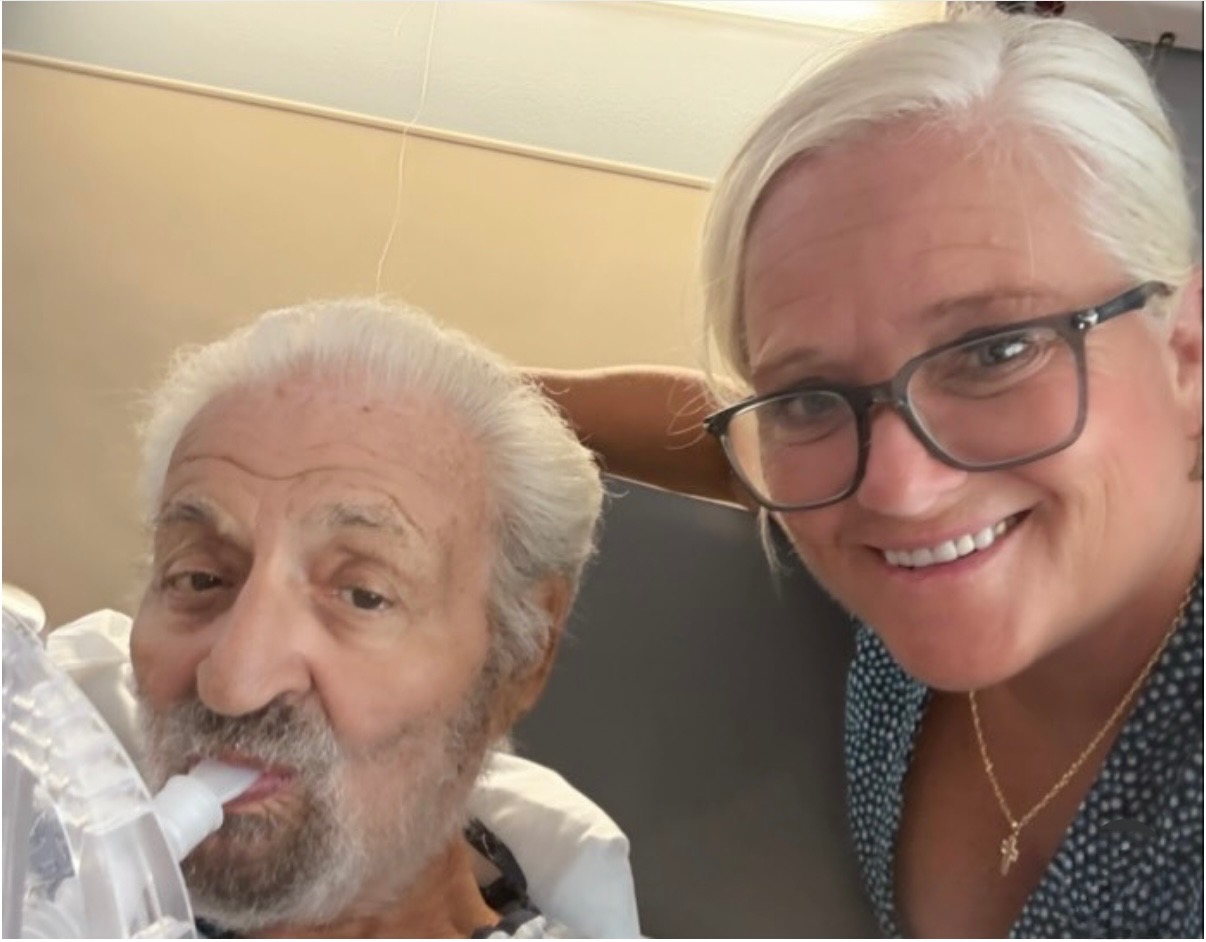
Having an experienced registered nurse available locally provides an extra set of eyes and ears at the bedside, allowing distant family members to stay informed and participate in decisions with greater peace of mind.
3. When Hospital Discharge Feels Too Soon
One of the biggest concerns families face is uncertainty about discharge planning. Questions naturally arise:
- Is my loved one really ready to leave?
- Will they be safe at home?
- Should rehabilitation or skilled nursing be considered?
- Are medications and follow-up appointments clearly explained?
Careful discharge planning can reduce confusion and help families prepare for the transition from hospital to home or another level of care.
4. When There Are Multiple Specialists Involved
A single hospitalization may involve emergency physicians, hospitalists, surgeons, cardiologists, neurologists, therapists, social workers, and case managers. Each professional contributes valuable expertise, but families often struggle to connect all the information into one clear picture.
An advocate helps organize details, track recommendations, and ensure that important questions are addressed before critical decisions are made.
5. When an Elderly Parent Is Living Alone
Independent seniors frequently want to maintain their routines, but illness or injury can suddenly change what is safe and realistic.
An objective assessment of the situation may reveal needs involving mobility, medication management, transportation, home safety, or additional support services that family members had not previously recognized.
Early planning often prevents unnecessary complications later.
6. When Family Members Disagree
Healthcare decisions can become emotionally charged. One sibling may want immediate rehabilitation, another may favor returning home, while another simply feels overwhelmed.
Having a knowledgeable healthcare professional who focuses on facts, communication, and practical planning can help keep discussions productive and centered on the patient’s best interests.
7. When You Simply Need Someone in Your Corner
Perhaps the greatest value of patient advocacy is knowing you are not facing the healthcare system alone.
An experienced advocate can attend appointments, ask thoughtful questions, review recommendations, coordinate information, and provide reassurance during one of the most stressful periods a family may ever experience.
The goal is not to replace physicians or nurses—it is to help families better understand the process and feel more confident navigating it.
What Happens When You Reach Out?
When you contact Nightingale Patient Advocates, you speak directly with an experienced registered nurse who takes the time to understand your situation. Every family’s circumstances are different, so the first conversation focuses on listening, gathering information, and identifying practical next steps.
Whether the need involves bedside advocacy, discharge planning, care coordination, support for an aging parent, or guidance for an out-of-town family, the objective is simple: provide clear communication, informed support, and experienced nursing insight when it matters most.
Healthcare decisions are too important to navigate through confusion alone. Asking questions, seeking clarification, and having an advocate by your side can make a meaningful difference in both the patient’s experience and the family’s confidence throughout the journey.