
A Simple Hospital Notebook Can Protect Your Loved One
When someone you love is in the hospital, the days can blur together.
One doctor says one thing. A specialist gives another update. A nurse changes a medication. A therapist recommends rehab. Then discharge planning starts before the family feels ready.
In that moment, families often try to remember everything.
That is where problems begin.
A hospital stay is emotional, fast-moving, and full of details. Even calm, intelligent families miss information because they are tired, worried, and overwhelmed. Therefore, one of the most helpful things a family can do is keep clear notes during the hospital stay.
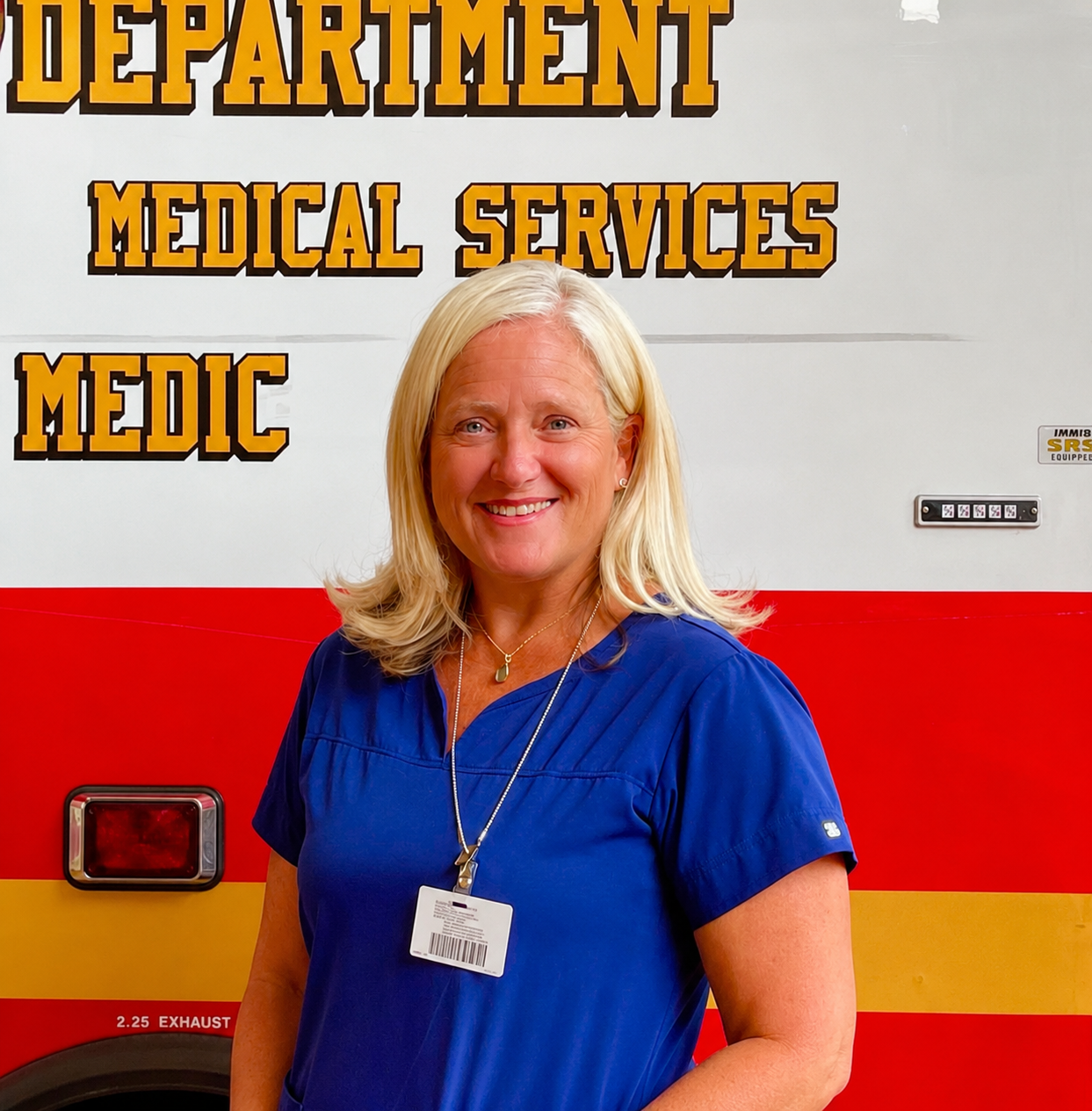
At Nightingale Patient Advocates, Carolyn Wheeler, RN helps families organize medical information, understand what is being said, and ask better questions before important decisions are made. With 34 years of emergency, trauma, and bedside nursing experience, Carolyn understands how quickly details can get lost inside a busy hospital system.
This is not about challenging the hospital.
This is about staying organized.
Why Hospital Notes Matter
Families often hear medical information in pieces.
A physician may round early in the morning. A nurse may explain medication changes later in the day. A case manager may discuss discharge planning. A physical therapist may recommend rehab. Meanwhile, family members may be calling from different cities trying to understand what is happening.
Without written notes, the family can lose track of:
- What diagnosis was discussed
- Which medications were changed
- What tests were ordered
- What results are still pending
- What discharge plan is being considered
- Which doctor said what
- What questions still need answers
Small details matter. A missed medication change, unclear follow-up instruction, or rushed discharge plan can create confusion after the patient leaves the hospital.
What Families Should Write Down
A hospital notebook does not need to be complicated. In fact, simple is better.
Start with the date, time, and name of the person speaking. Then write down the main point in plain language.
Helpful notes include:
- Names of doctors, nurses, specialists, therapists, and case managers
- Diagnosis or reason for admission
- New symptoms or changes in condition
- Medication changes
- Test results
- Tests still waiting for results
- Diet or mobility restrictions
- Wound care instructions
- Therapy recommendations
- Discharge plan discussions
- Rehab or skilled nursing options
- Follow-up appointments
- Questions the family still has
Most importantly, write down anything that feels unclear.
If something does not make sense, that is not a failure. It is a signal to ask again.
Questions to Ask Before Discharge
Discharge is one of the most important moments in a hospital stay. However, many families feel rushed when it happens.
Before discharge, families should ask:
- Is my loved one medically stable?
- What changed during this hospital stay?
- What medications were added, stopped, or changed?
- What warning signs should we watch for?
- Who do we call if symptoms return?
- Is home safe right now?
- Is rehab being recommended?
- What equipment is needed?
- Are follow-up appointments already scheduled?
- Who is coordinating the next step?
These questions help families slow the process down and understand what comes next.
When a Clinical Nurse Advocate Helps
A clinical nurse advocate can help families organize the details, prepare questions, attend important conversations, and clarify what is being discussed.
Carolyn Wheeler, RN does not replace the doctor, nurse, hospital team, or family.
Instead, she helps families understand the process.
That may include reviewing hospital updates, helping prepare for discharge conversations, attending physician meetings, supporting out-of-state adult children, or helping families recognize when more questions need to be asked.
For many families, the greatest relief is having someone in the room who understands the language of healthcare and can explain it in plain English.
The Bottom Line
A hospital notebook may seem simple.
But during a medical crisis, simple tools can make a major difference.
Write things down. Ask clear questions. Keep names, dates, medications, and discharge instructions organized. If the situation feels overwhelming, bring in experienced clinical support.
Nightingale Patient Advocates helps families throughout Palm Beach County and Palm Beach Island navigate hospital stays, medical appointments, discharge planning, rehabilitation decisions, and complex healthcare conversations with clarity and confidence.
If your loved one is hospitalized and your family is unsure what to ask next, Carolyn Wheeler, RN can help you slow the moment down and move forward with better understanding.