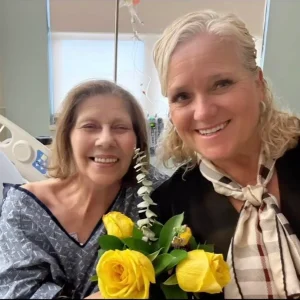

Home feels wonderful after long hospital days end. Still, home also removes nurses, monitors, and quick help. So the days after discharge carry real risk.
In short, the first two weeks after hospital discharge decide how recovery settles. Above all, families need a simple day-by-day frame. However, most discharge papers never explain that frame.
I am Carolyn Wheeler, RN, TNCC. I bring 34 years of nursing experience, much in emergency and trauma care. My work helps families plan these fourteen days carefully.
The First Two Weeks After Hospital Discharge, Day by Day
First, days one through three demand quiet and rest. Next, confirm every follow-up appointment by phone quickly. Also, sort medicines against the discharge list carefully.
Then days four through seven bring follow-up visits. Doctors check wounds, labs, and medicine effects then. In addition, home support routines start feeling more normal.
Second, week two tests stamina and confidence daily. Your parent may try doing too much too soon. Families should pace activity and watch closely.
I support families at home and at follow-up visits. I provide guidance, consultation, and bedside advocacy, never hands-on nursing care. So your parent recovers with experienced eyes nearby.
Medicine Changes Need Time to Settle
Hospitals often stop, start, or change several medicines. First, keep one current list on the refrigerator. Next, note new dizziness, swelling, or unusual sleepiness daily.
Then share those notes at the first follow-up visit. For example, one new pill may explain new unsteadiness. The Agency for Healthcare Research and Quality offers a free discharge-planning guide for families. In fact, early notes prevent weeks of quiet confusion.
Moreover, never restart an old medicine without asking first. Old bottles cause many avoidable returns to hospital. Instead, ask the pharmacist one clear question early.
Warning Signs and Home Support
Call the doctor quickly for fever or spreading redness. Also, call for new confusion, breath changes, or falls. Hospital discharge warning signs deserve same-day attention always.
An unsafe hospital discharge needs fast advocacy and documentation. Hospital discharge advocacy continues well beyond the hospital doors. Choosing a rehab facility after a hospital stay sometimes follows.
Still, most recoveries settle smoothly with steady home support. Family visits, meal help, and rides matter greatly. Yet families should share duties before exhaustion builds quietly.
I serve Palm Beach County, including Palm Beach Island, in Florida. In Pennsylvania, I serve Philadelphia, Bucks, Montgomery, Chester, and Delaware Counties.
Questions Families Ask Me
What matters most in the first two weeks after hospital discharge?
First, confirm follow-up visits and sort medicines carefully. Then watch warning signs and pace activity each day. Finally, ask for help before small problems grow.
When should we call the doctor during recovery?
Call for fever, spreading redness, or new confusion quickly. Also, call after any fall or breath change immediately. In short, early calls prevent emergency visits later on.
What should our family track at home each day?
Track medicines, appetite, sleep, pain, and energy levels daily. Note questions for the next follow-up visit too. Still, one shared notebook keeps every helper aligned.
Fourteen Days of Steady, Watched Recovery
Your parent deserves a calm, watched return home. You deserve a clear plan for every day. Call Nightingale Patient Advocates at (215) 680-1523, and I will help your family plan.
Nightingale Patient Advocates serves Palm Beach County, Florida, and five counties in Pennsylvania. This article is general information, not medical advice. In an emergency, always call 911.