
Nightingale Patient Advocates
Concierge Medical Advocacy in Palm Beach County, Florida
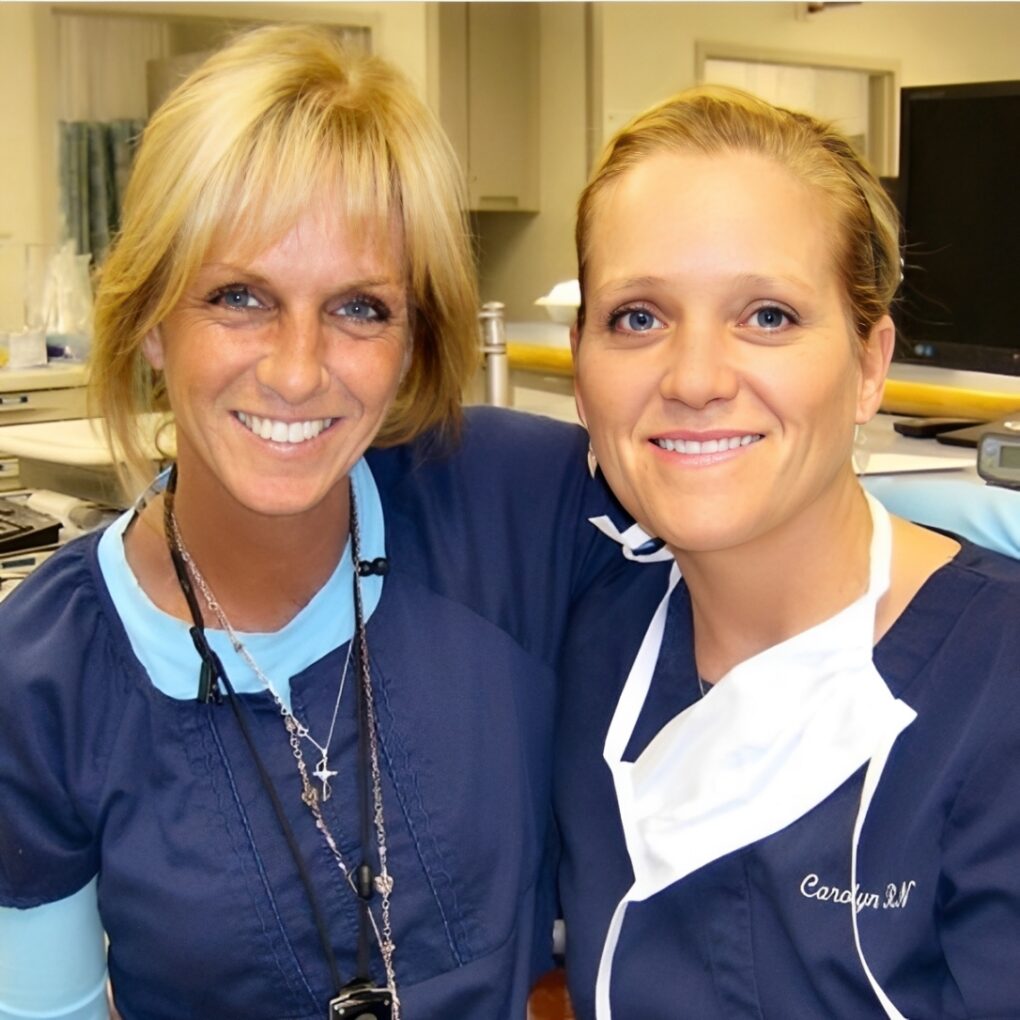
Led by Carolyn Wheeler, RN — The Advocate You Want by Your Side
When a medical crisis strikes, families are often expected to make life-changing decisions in a matter of minutes. Physicians, specialists, discharge planners, and insurance representatives may all be involved, yet no one is focused solely on protecting the patient’s best interests.
That is where Nightingale Patient Advocates makes a difference.
Led by Carolyn Wheeler, RN, Nightingale Patient Advocates provides concierge medical advocacy throughout Palm Beach County, helping families navigate hospitalizations, surgeries, physician appointments, rehabilitation planning, and complex medical decisions with confidence. Instead of feeling overwhelmed, clients gain a knowledgeable healthcare professional who explains options, asks important questions, and helps ensure nothing is overlooked.
What Is a Patient Advocate?
A patient advocate is an experienced medical professional who helps patients and families understand the healthcare system, communicate effectively with providers, and make informed decisions.
Carolyn does not replace physicians or direct medical treatment. Rather, she serves as an independent clinical advocate who helps families understand recommendations, identify potential concerns, organize information, and coordinate communication among providers.
The result is greater clarity, improved confidence, and better-informed healthcare decisions during stressful situations.
Why Families Hire Nightingale Patient Advocates
Medical care has become increasingly complex. Families often feel pressure to make important decisions while under emotional stress.
Many clients contact Nightingale Patient Advocates because:
- A loved one has been admitted to the hospital unexpectedly.
- Medical terminology is difficult to understand.
- Multiple physicians are providing different opinions.
- Discharge plans seem rushed or incomplete.
- Adult children live out of state and cannot be present.
- They simply want an experienced registered nurse focused on their family’s interests.
Having an advocate involved can bring organization, reassurance, and continuity when it matters most.
Serving Palm Beach County’s Coastal Communities
Nightingale Patient Advocates proudly serves patients and families throughout:
- Jupiter
- Tequesta
- Juno Beach
- North Palm Beach
- Palm Beach Gardens
- West Palm Beach
- Singer Island
- Boynton Beach
- Delray Beach
Because the practice is local and concierge-based, clients receive responsive, personalized attention rather than one-size-fits-all support.
Concierge Medical Advocacy Services
Bedside Hospital Advocacy
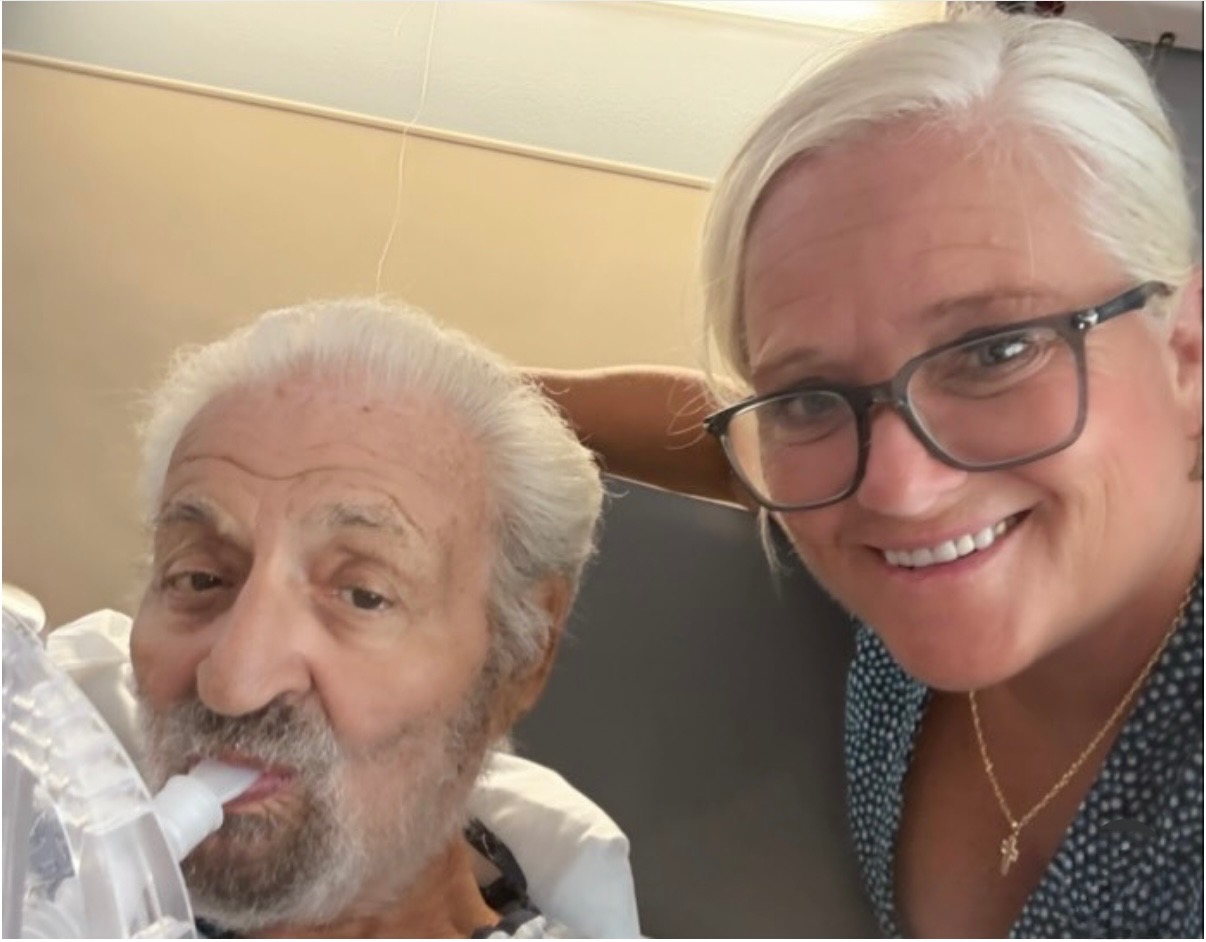
Hospital stays can change rapidly. Carolyn attends bedside meetings, communicates with providers, explains evolving treatment plans, and helps families understand critical decisions before they are made.
Physician Appointment Advocacy
Important details are easy to miss during medical appointments. Carolyn accompanies clients when appropriate, helps prepare questions in advance, and ensures families leave with a clear understanding of diagnoses, recommendations, and next steps.
Care Coordination
Patients frequently see multiple specialists who may not communicate directly with one another. Nightingale Patient Advocates helps coordinate information among providers so everyone is working from the same plan.
Complex Medical Decision Support
Serious diagnoses often require difficult choices. Carolyn helps families organize information, understand available options, and feel more confident as they evaluate treatment recommendations.
What Makes Nightingale Patient Advocates Different?
Every client works directly with Carolyn Wheeler, RN. There are no call centers, rotating representatives, or impersonal service models.
Families benefit from:
- Experienced registered nurse leadership
- Concierge-level personalized support
- Clear communication and education
- Real-time advocacy during important moments
- Strict confidentiality and professionalism
- Compassionate guidance tailored to each situation
The Value of Having an Advocate in the Room
Having a trusted medical advocate can transform a confusing experience into a manageable one. Instead of trying to absorb complex information alone, families have an experienced professional helping them ask questions, understand recommendations, and communicate effectively with healthcare providers.
At Nightingale Patient Advocates, the mission is simple: provide clarity during uncertainty, strengthen communication, and help patients and families feel informed, supported, and empowered throughout every stage of their healthcare journey.
When the stakes are high, having the right advocate by your side can make all the difference.
1. What does a patient advocate actually do?
A patient advocate ensures that medical care is clearly understood, properly coordinated, and aligned with the patient’s best interests. They act as a guide, translator, and protector within the healthcare system.
2. Is this the same as a caregiver?
No. A caregiver provides hands-on assistance. A patient advocate provides strategy, oversight, and medical clarity.
3. When should I hire a patient advocate?
As soon as confusion, complexity, or risk enters the medical situation. Early involvement leads to better outcomes.
4. Does the advocate replace my doctor?
No. The advocate enhances communication and understanding between you and your medical team.
5. Can an advocate attend doctor appointments?
Yes. In-room advocacy is one of the most valuable services offered.
6. What happens during hospital advocacy?
The advocate communicates directly with staff, clarifies treatment plans, and ensures the patient’s needs are addressed.
7. Why is coordination important?
Many patients see multiple providers. Without coordination, critical details can be missed.
8. What makes a nurse advocate different?
Clinical training allows a nurse advocate to understand medical nuances and ask the right questions.
9. Is this only for serious conditions?
No. Any situation involving confusion or complexity can benefit from advocacy.
10. How does this reduce stress?
It removes uncertainty and provides clear direction during difficult decisions.
11. Can families be involved?
Yes. Family education and support are central to the process.
12. Is this service private?
Yes. Discretion is a core principle.
13. Do advocates help prevent mistakes?
They help identify risks, miscommunication, and overlooked details.
14. What is real-time advocacy?
Being present during key medical moments when decisions are being made.
15. Can this help with second opinions?
Yes. Advocates often guide families toward informed second opinions.
16. How quickly can services begin?
Typically immediately, depending on the situation.
17. What if I don’t understand medical language?
That is exactly where an advocate provides value—translating everything clearly.
18. Is this only for elderly patients?
No. It is for anyone navigating medical complexity.
19. What is the biggest benefit?
Clarity, protection, and confidence in decision-making.
20. Can this prevent hospital readmissions?
Better coordination and understanding can reduce unnecessary complications.
21. How does advocacy protect patients?
By ensuring nothing is overlooked and decisions are fully understood.
22. What if doctors disagree?
The advocate helps interpret differing opinions and guide informed choices.
23. Is this worth the investment?
For many families, avoiding mistakes and confusion is invaluable.
24. Can advocates handle multiple providers?
Yes. Coordination across specialists is a key function.
25. What makes Nightingale different?
Direct access to a highly experienced RN providing personalized, real-time advocacy.
25 Key Facts About Patient Advocacy
- Medical errors are often linked to communication breakdowns
- Patients frequently leave appointments without full understanding
- Healthcare systems are complex and fast-moving
- Multiple providers increase the risk of miscommunication
- Time constraints limit doctor-patient interaction
- Families often feel overwhelmed during medical crises
- Advocacy improves clarity in decision-making
- Nurse advocates bring clinical insight to the process
- Real-time support leads to better outcomes
- Coordination reduces duplication of care
- Advocacy supports informed consent
- Clear communication reduces anxiety
- Early intervention improves outcomes
- Complex diagnoses require structured oversight
- Advocates help prioritize critical information
- Families benefit from guided decision-making
- Patient voices are often overlooked without support
- Advocacy ensures continuity of care
- Second opinions are more effective with guidance
- Hospital environments can be difficult to navigate alone
- Advocates help identify inconsistencies in care
- Strategic oversight prevents unnecessary delays
- Medical literacy varies widely among patients
- Advocacy bridges the knowledge gap
- The right advocate can transform the entire experience
Final Word
When the healthcare system feels overwhelming, clarity is not optional—it is essential.
Nightingale Patient Advocates exists for that exact reason.
With Carolyn Wheeler in the room, families gain more than support.
They gain structure, protection, and the confidence to make the right decisions at the right time.