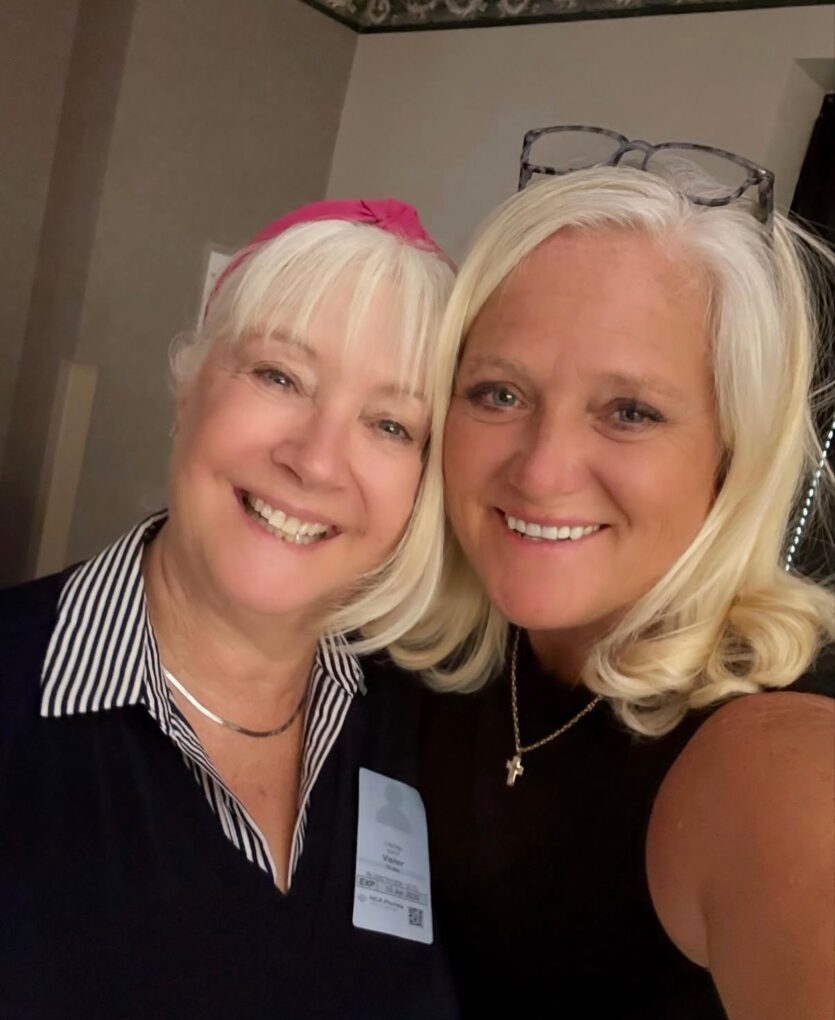
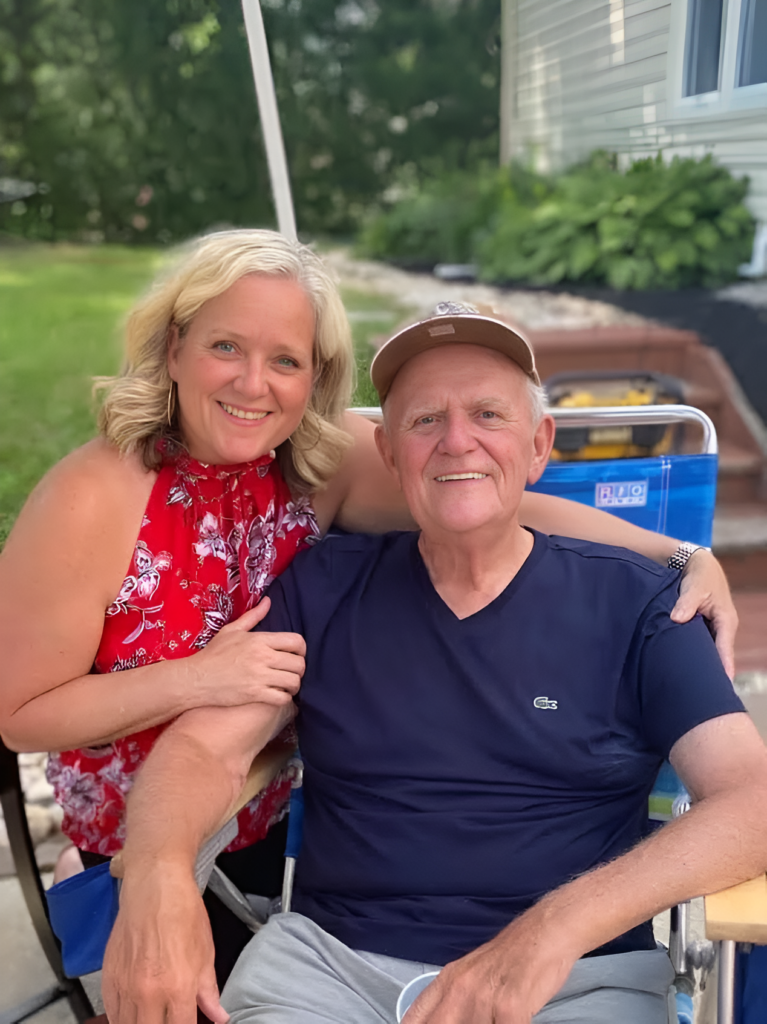
Bedside patient advocacy puts one experienced nurse beside your parent. I am Carolyn Wheeler, RN, TNCC. My background spans 34 years of nursing experience, mostly in emergency and trauma care. I provide guidance, consultation, and bedside advocacy, never hands-on nursing care. So your parent never faces rounds alone. In short, one calm presence changes hospital days.
What Happens During Morning Rounds
First, I arrive before rounds begin each morning. Then I review overnight notes with fresh eyes. Next, I greet your parent and check comfort. Also, I note questions from the family call. In short, rounds start with full context ready.
First, doctors explain the plan in plain terms. Then I ask about tests, timing, and goals. Moreover, I write every answer down immediately. Still, your parent hears each answer twice calmly. Above all, nobody rushes past unanswered questions.
Notes That Keep Everyone Honest
First, I keep one notebook for every conversation. Then I date each entry and name speakers. Next, I track medicines, tests, and pending results. Also, my before, during, and after surgery guide shows bedside work clearly. In short, written notes beat fading memories daily.
First, I flag changes in condition or appetite. Then I raise concerns with the nursing team. Moreover, I confirm orders match the stated plan. Still, doctors direct all medical treatment decisions. Finally, your parent rests between my careful checks.
Questions, Asked at the Right Moment
First, families often freeze during fast rounds. Then key questions slip away completely unasked. Next, I ask those questions before teams leave. Also, my hospital family meeting guide shows question teamwork clearly. In short, timing turns questions into answers.
First, I phrase questions simply and respectfully always. Then I repeat answers back for confirmation slowly. Moreover, I share answers with your parent first. Still, quiet moments matter as much as questions. Above all, your parent keeps every final decision.
Family Updates Without the Telephone Chaos
First, I call one family contact each evening. Then I summarize changes, plans, and next steps. Next, distant siblings hear identical facts nightly. Also, MedlinePlus offers plain-language hospital guides for families. Above all, nobody guesses from partial updates.
First, I visit daily during the hospital stay. Then I adjust the plan as conditions change. Moreover, steady presence keeps communication calm and clear. Still, hospital teams welcome one consistent family voice. Finally, your parent feels known, never anonymous.
I serve Palm Beach County, including Palm Beach Island, in Florida. In Pennsylvania, I serve Philadelphia, Montgomery, Bucks, Chester, and Delaware Counties.
Questions Families Ask Me
What does bedside patient advocacy include each day?
First, I join rounds and take careful notes. Then I carry family questions to doctors. In short, I watch, listen, ask, and report.
Can you stay during doctor visits only?
Yes, I schedule my visits around key rounds. Also, I join family meetings and discharge talks. Still, daily presence catches more than single visits.
Do you provide hands-on nursing care?
No, I provide guidance, consultation, and advocacy only. Instead, hospital nurses provide all hands-on care. Above all, my role strengthens communication and clarity.
One Steady Presence at the Bedside
Your parent deserves clear answers and calm support. You deserve one experienced nurse in your corner. Call Nightingale Patient Advocates at (215) 680-1523, and I will stand beside your family.
Nightingale Patient Advocates serves Palm Beach County, Florida, and five counties in Pennsylvania. This article is general information, not medical advice. In an emergency, always call 911.