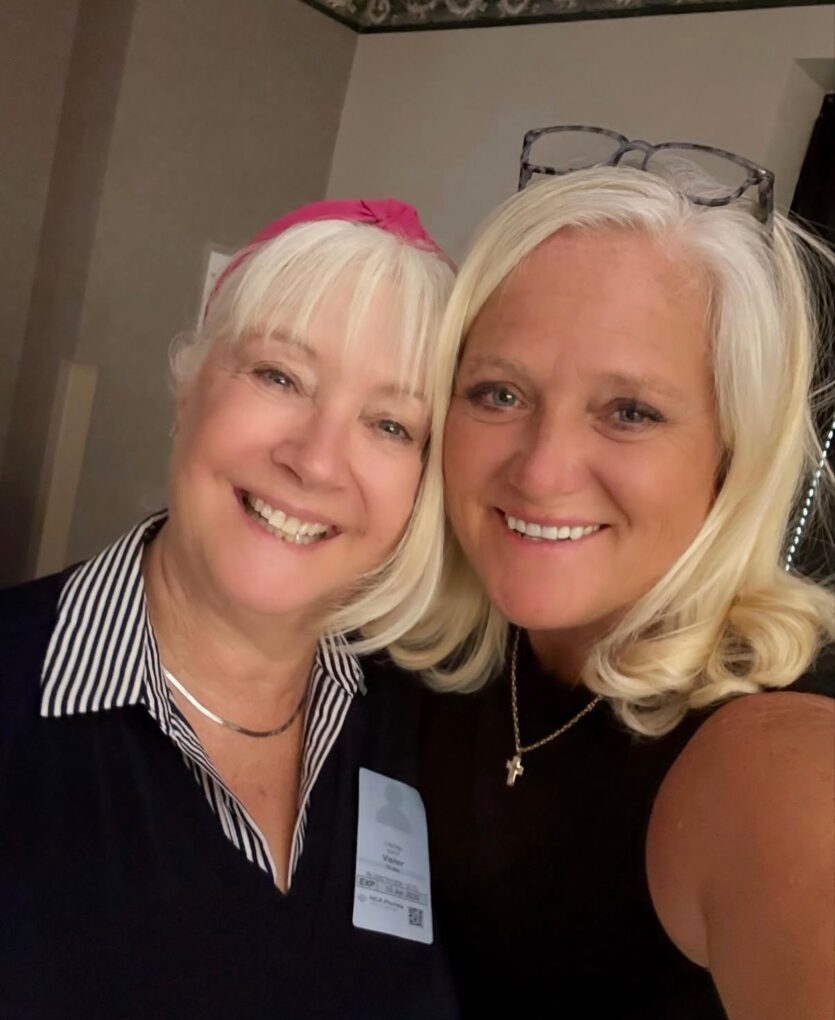
Coordinating multiple specialists often overwhelms loving families. I am Carolyn Wheeler, RN, TNCC. My background spans 34 years of nursing experience, mostly in emergency and trauma care. I provide guidance, consultation, and bedside advocacy, never hands-on nursing care. So each doctor hears the full story. In short, one shared record changes everything.
Specialists Rarely Share One Plan
First, cardiology focuses on the heart alone. Then surgery focuses on the operation itself. Next, primary care watches the whole picture. Also, each team writes notes in separate charts. In fact, families often relay messages between offices.
First, a test result lands in one portal. Then another team never sees that result. Moreover, appointment dates collide without anyone noticing conflicts. Still, your parent repeats the same story weekly. Above all, gaps grow quietly between good doctors.
One Shared Record for Everyone
First, I build one shared record immediately. Then I list every specialist and visit date. Next, I track tests, results, and open questions. Also, my
preparing for a specialist appointment guide shows families how visits run. In short, nobody works from partial information.
First, I update the record after every appointment. Then I share changes with each treating team. Moreover, contradictions surface early, before harm follows quietly. Still, doctors direct all medical treatment decisions. Finally, your parent sees one clear, current plan.
Carrying Questions Between Teams
First, I collect your family’s questions weekly. Then I carry each question to the right team. Next, I bring answers back in plain language. Also, my
hospital family meeting guide shows this teamwork clearly. In short, questions stop dying in voicemail.
First, cardiology hears the surgeon’s timeline directly. Then primary care hears both plans promptly. Moreover, each team learns what others decided already. Still, I confirm answers with your parent first. Above all, nobody should translate doctor-speak alone.
When Plans Conflict Openly
First, conflicting advice confuses families very quickly. Then I lay both plans side by side. Next, I ask each team to explain differences. Also,
MedlinePlus offers plain-language health guides for families. Above all, your parent chooses with full information.
First, I schedule a joint call when conflicts linger. Then each team hears the others directly. Moreover, families hear one conversation, not five versions. Still, written summaries follow every joint call promptly. Finally, the shared record reflects the agreed plan.
I serve Palm Beach County, including Palm Beach Island, in Florida. In Pennsylvania, I serve Philadelphia, Bucks, Montgomery, Chester, and Delaware Counties.
Questions Families Ask Me
What does coordinating multiple specialists involve each week?
First, I gather notes from every treating team. Then I update one shared record carefully. In short, each doctor sees the full picture.
Can specialists really miss each other’s plans?
Yes, separate charts and portals hide updates easily. Also, busy offices rarely compare notes daily. Still, one advocate closes those gaps steadily.
Do you tell doctors how to treat?
No, doctors direct all medical treatment decisions. Instead, I clarify plans and carry questions forward. Above all, your parent keeps the final say.
One Plan, Clearly Shared
Your parent deserves clear answers and calm support. You deserve one experienced nurse in your corner. Call Nightingale Patient Advocates at (215) 680-1523, and I will stand beside your family.
Nightingale Patient Advocates serves Palm Beach County, Florida, and five counties in Pennsylvania. This article is general information, not medical advice. In an emergency, always call 911.