
The Referral Is In: Now What?
A referral lands, and the questions start at once. Your parent leaves the primary doctor with a specialist‘s name and very little else. Still, preparing for a specialist appointment well can change that first visit completely.
Most families arrive at that first visit unprepared. Records sit in three patient portals, and the medication list lives in a kitchen drawer. Meanwhile, the specialist has fifteen minutes and a waiting room full of patients. As a result, the visit ends before the real questions ever surface.
I think of a daughter in Pennsylvania whose father faced a new cardiologist in Palm Beach County. She sent me his records a full week before the visit. Because the packet was complete, the specialist spotted a medication conflict in minutes. That one catch changed his medication plan the same day.
Why Preparing for a Specialist Appointment Matters
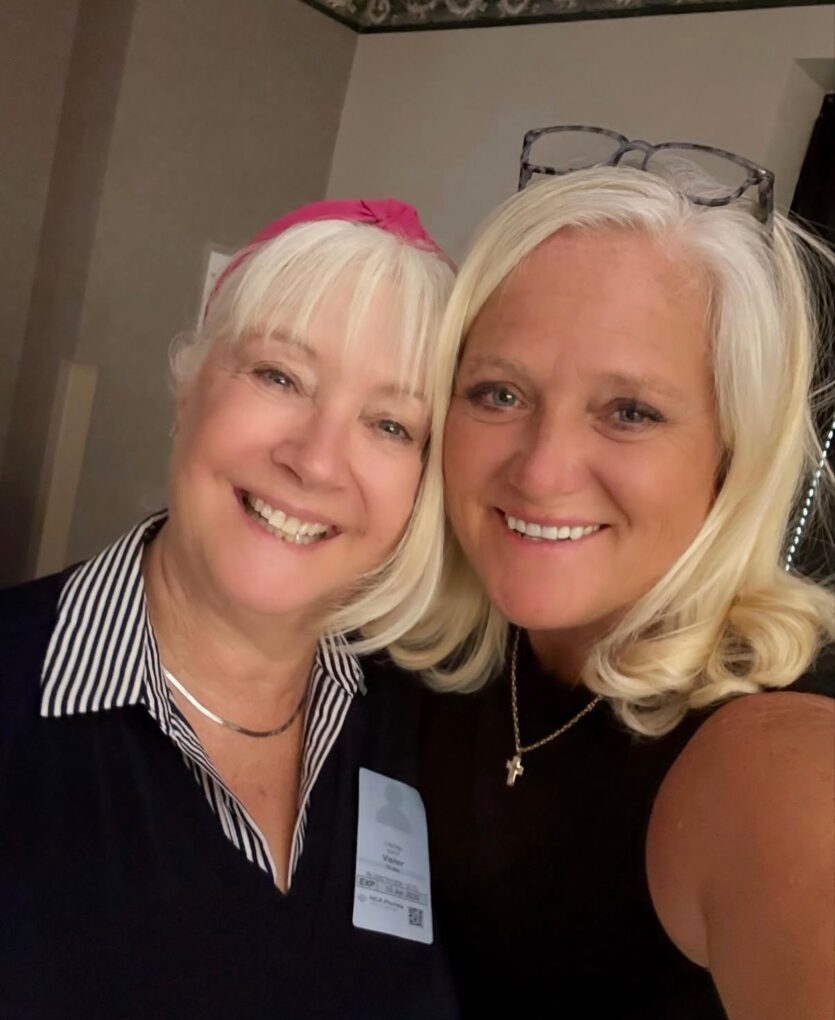
I am Carolyn Wheeler, RN, TNCC. I bring 34 years of nursing experience, much of it in emergency and trauma care. Again and again, I have watched one pattern repeat across every specialty. Unprepared families leave with half an answer and a follow-up months away. Instead, prepared families hear the full picture and leave with a plan.
The Week Before the Visit: Build One Packet
First, gather the recent records into one folder. Include recent lab results, imaging reports, and any hospital discharge summaries. Also add the referral letter itself, because specialists often never receive it.
Next, write one honest medication list on a single page. List every prescription, vitamin, and over-the-counter remedy your parent takes. Then note each dose and when your parent takes it.
Finally, write the story in five short lines. When did the symptom start, and what changed most recently? Specialists think in timelines, so give them one clear timeline.
Questions Worth Writing Down
Bring three questions, written on paper. What is the most likely cause of this problem? What happens next if we wait, and what happens if we act now? Which warning signs should send us to the emergency room tonight? Paper survives nerves, so the important question never gets forgotten.
The Day of the Visit
Arrive a little early, and bring the packet. Also bring a notebook, because answers will come fast in that room. A family member can join by phone when everyone cannot attend in person.
During the visit, I sit beside your parent and listen like a nurse. I ask the follow-up questions that families forget in the moment. Then I write a plain summary in words the whole family understands.
The Honest Limits
Preparation cannot change a diagnosis. It also cannot make a crowded clinic slow down. However, preparation makes sure your parent’s full story reaches the room. And it makes sure the answers reach your family afterward, in plain words.
Questions Families Ask Me
How does preparing for a specialist appointment change the visit?
Preparation puts the full story in front of the specialist. The visit then covers your real concerns, not just the chart. As a result, your family leaves with a plan everyone understands.
What should we bring to a first specialist visit?
Bring the referral, the recent records, and one honest medication list. Also bring your three written questions and a notebook. One folder beats a shoebox of loose papers every time.
Can you come with my parent to the appointment?
Yes, and I would be glad to. I attend appointments across Palm Beach County, including Palm Beach Island. In Pennsylvania, I attend in Philadelphia, Bucks, Montgomery, Chester, and Delaware Counties. Then I report back to your family in plain language.
My parent sees several specialists. Can you keep them coordinated?
Yes. Each specialist sees one slice of your parent. Instead, I hold the whole picture and share updates across the team.
Walk In Ready
A specialist visit is short, but its decisions last for years. Walk in with the story straight and the questions already written down. Call Nightingale Patient Advocates at (215) 680-1523, and I will help your family prepare.
Nightingale Patient Advocates serves Palm Beach County, Florida, and five counties in Pennsylvania. This article is general information, not medical advice. In an emergency, always call 911.