Open a kitchen cabinet in almost any Palm Beach County home. A plastic organizer sits there with seven compartments. Inside it rests a small pharmacy.
One pill comes from the cardiologist in Palm Beach Gardens. Another comes from the endocrinologist. A blood thinner dates back to last spring’s hospital stay. And a sleep aid, prescribed years ago, simply never stopped.
Each doctor knows his own list. Nobody knows the whole list. Sadly, that gap is where seniors get hurt — quietly, at home, between appointments.
Medication management for seniors closes that gap. This page explains how it works, why local families face a harder version of the problem, and how one nurse rebuilds a single list you can trust.
What medication management for seniors includes
Real medication management for seniors means one disciplined review of every drug, checked as a whole picture.
First, every prescriber lands on one page. The cardiologist, the internist, the surgeon, and the urgent care clinic all appear together. Next, every bottle joins the review, even the quiet ones. Pain relievers, vitamins, and sleep aids interact with prescriptions, so they count too.
Then transitions get checked again. Admission to a hospital scrambles the list, and discharge rewrites it once more. Home is where the two versions collide. So Carolyn Wheeler, RN compares all three versions: what doctors prescribed, what the pharmacy dispensed, and what your loved one actually swallows each morning. She flags each difference, questions it, and resolves it with the doctors — long before it becomes an emergency room visit.
Why Palm Beach County makes this harder
Wealth should buy better care. Instead, it often buys more care — more doctors, more layers, and more lists that never meet.
Many Island and Gardens families keep a concierge physician for access and attention. He gives both, gladly. Yet he remains one prescriber among several, and specialists rarely send him their changes.
Meanwhile, the specialist stack grows quietly. A heart doctor, a joint doctor, a memory doctor, and an eye doctor each write into charts the others never open. Seasonal families face a second version of the same trap. Their northern doctors and Florida doctors keep two lists, and both drift further apart each winter.
Then one hospital stay rewrites four medications in three days. The discharge papers describe the new plan, but the kitchen cabinet still holds the old one. Too often, your loved one takes both.
None of this reflects a failure of love or money. It reflects a failure of coordination — and coordination is a job somebody must actually hold.
Medication management for seniors, step by step
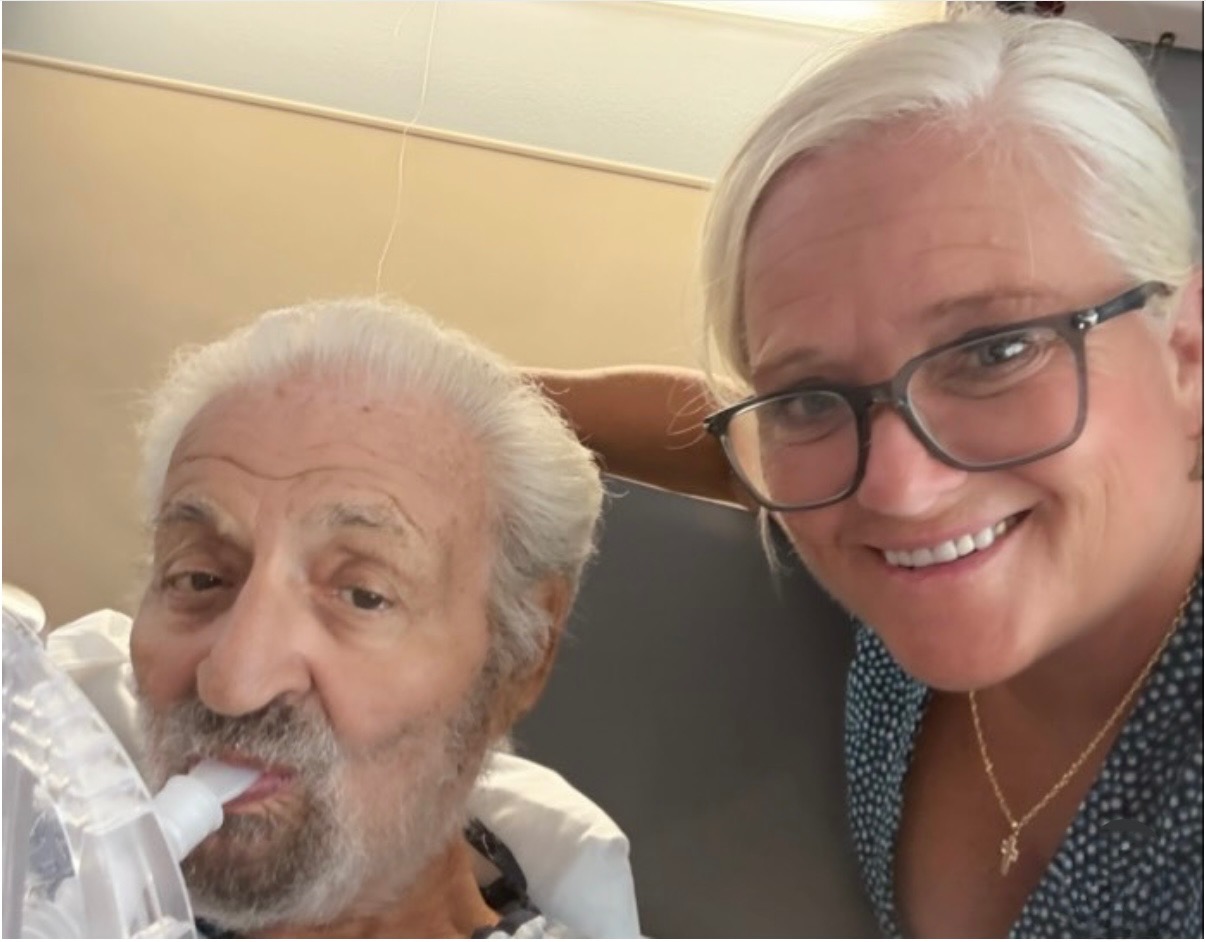
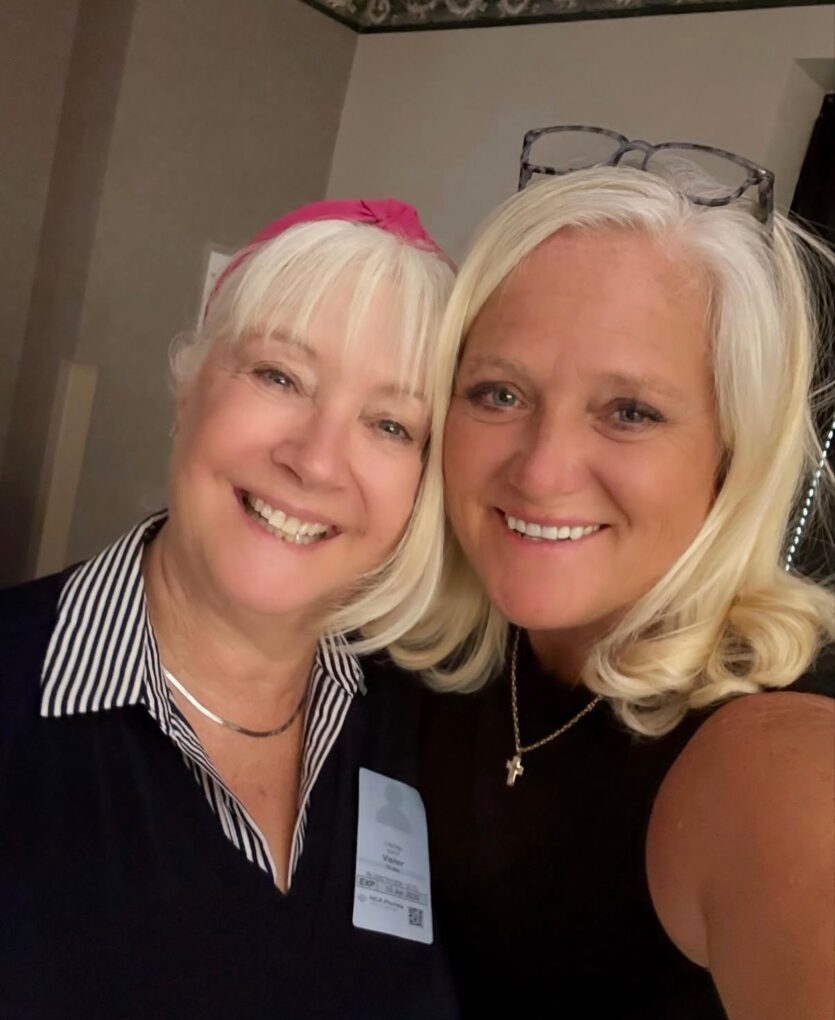
Carolyn founded Nightingale Patient Advocates after more than three decades at the bedside. She works for your family only — never for a hospital, an insurer, or a pharmacy. Her five steps turn that scattered cabinet into one true list:
- The brown-bag gathering. Every bottle comes out of every cabinet. Nothing gets judged; everything gets counted.
- The prescriber map. Each drug is matched to the doctor who ordered it, plus the reason why. Orphan drugs that no doctor claims get special attention.
- The reconciliation. Carolyn checks the full list for duplicates, interactions, and purposes that expired long ago. She writes every question in plain language.
- The doctor round. She carries each question to the prescriber who owns it. Then she confirms every answer, so confirmed changes reach the list.
- The living list. Your family receives one clean, current list — ready for every doctor, hospital, and home health nurse. Carolyn updates it at every transition, not once a year.
Patterns like these are exactly what send seniors back to the hospital. A trained eye catches them in minutes instead.
What an advocate honestly cannot do
Carolyn does not prescribe medication. She never changes a dose on her own authority, and no honest advocate would.
Doctors decide what a patient takes. However, Carolyn makes sure they decide with the whole picture in front of them. She also makes sure each decision arrives intact at your loved one’s kitchen counter. Families often tell her that last step was the broken one all along.
Start this week: your family’s toolbox
- Build the one list tonight. Write each drug, dose, time of day, prescribing doctor, and reason on a single document.
- Photograph every bottle. Labels hold details that memory drops, so keep the photos beside the list.
- Bring the list to everything. Hand it over at every appointment, procedure, and ER visit — before anyone asks.
- Ask the discharge question. Which home medications changed, which stopped, and which should you throw away? Get the answer in writing.
- Remove the stopped ones. A discontinued drug in the cabinet is simply an accident with a date on it.
Numbers to save before you need them
- Emergency: 911. A fall, sudden confusion, bleeding, or a loved one you cannot wake — call first.
- Poison Control: 1-800-222-1222. A doubled dose or a dangerous mix is exactly what this line handles, free, day and night. You can also reach them at poison.org.
- Suicide and Crisis Lifeline: 988. Caregivers reach breaking points too, often at 3 AM. Help exists for the daughter and the spouse, not only the patient.
Frequently asked questions
What is medication management for seniors, in one sentence?
One qualified professional keeps a single verified list of everything a senior takes, checks it across every prescriber, and updates it at every hospital transition.
My parent already has a concierge doctor. Does that cover this?
He manages his own prescriptions well. But he cannot see what the cardiologist changed last month, or what the hospital rewrote at discharge. Medication management for seniors covers the whole list, across everyone — the part no single practice owns.
How many medications count as too many?
No magic number exists. Risk grows with each prescriber, not just each pill. Four drugs from four silent doctors can endanger a senior more than five drugs from one doctor who sees everything.
Can Carolyn work with our doctors up north?
Yes. She reconciles northern and Florida lists by phone, using records your family authorizes her to gather. For seasonal families across Palm Beach County, that work often matters most.
What does it cost to start?
Start with a conversation. Call (215) 680-1523, and Carolyn will tell you plainly whether your family needs ongoing advocacy or a single list rebuild.
Five doctors is fine. Twelve prescriptions can be fine. What no senior can afford is a list nobody owns.
Let Carolyn own it. Call (215) 680-1523 — Nightingale Patient Advocates, serving Palm Beach Island, Palm Beach Gardens, Jupiter, North Palm Beach, and families across Palm Beach County.
Carolyn Wheeler, RN — Nightingale Patient Advocates, North Palm Beach, FL. This page is general information, not medical advice, and it does not replace your physician or pharmacist. In an emergency, call 911. For a medication accident, call Poison Control at 1-800-222-1222.