
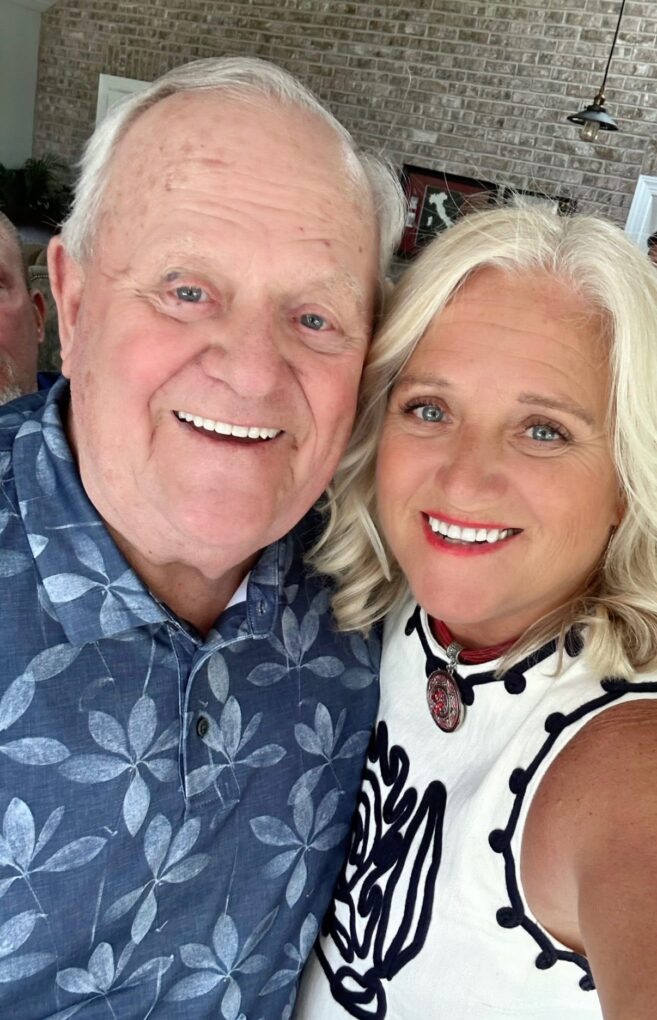
Carolyn Wheeler, RN, spent her entire nursing career in one emergency department. For 34 years she worked at Einstein in Philadelphia, now Jefferson Einstein Philadelphia Hospital. She started there, and she stayed there.
That emergency department is an accredited Level I Regional Resource Trauma Center. It is one of the busiest in the city, with roughly 77,000 emergency visits a year (Philadelphia Inquirer). Carolyn worked through strokes, heart attacks, trauma, overdoses and sudden illness, shift after shift. She also stood beside the families who came through the doors with them.
Registered Nurse (RN)
Trauma Nursing Core Course (TNCC) certification
34 years of emergency department nursing at a Level I trauma center
Emergency medicine, trauma care, critical care and pediatric experience
Decades of bedside patient advocacy, physician communication and family medical guidance
Colleagues who worked beside her say the same thing. One nurse who shared every one of those years wrote that Carolyn saved lives and earned the praise of co-workers and physicians alike. That nurse said advocacy was always at the center of Carolyn’s practice.
Why a Philadelphia Nurse Advocate Makes the Difference
Hospitals move fast. Doctors, nurses, case managers, social workers and discharge planners may all be involved at once. Families are expected to absorb diagnoses, medication changes and discharge instructions while they are scared and exhausted.
A nurse patient advocate slows that moment down. Carolyn knows how Philadelphia-area hospitals run: how admissions move, how case management works and when a discharge is coming too fast. She knows which questions get real answers.
She does not replace your doctors. She stands beside your family so you understand what is happening and nothing slips through the cracks.
Patient Advocacy Services in Philadelphia, Montgomery County and Bucks County
Emergency Room Advocacy
The emergency room is where Carolyn spent her career. She helps families ask the questions that matter. What changed medically? What tests are still pending? Is the patient being admitted, observed or sent home? Is home actually safe?
Hospital and Bedside Advocacy
During an admission, Carolyn provides bedside support and communicates with doctors and nurses. She clarifies medication questions and keeps the whole family informed. Learn more about hospital and bedside support.
Discharge Planning Support
Discharge is a safety decision, not paperwork. Carolyn helps families understand where the patient is going, who will provide care and which medications changed. She helps you decide whether rehab or skilled nursing is the right next step, before anything is signed.
Rehabilitation, Skilled Nursing and Nursing Home Guidance
Families moving a loved one into rehab, skilled nursing or long-term care face decisions they have never made before. Carolyn helps them understand the options and push for the right placement.
Medical Appointment Support
Specialist visits, second opinions, test results and follow-ups go better with a registered nurse in the room. Carolyn helps organize questions beforehand and clarify answers afterward.
Elderly Parent Advocacy
Adult children are often suddenly responsible for an aging parent’s care. Carolyn becomes the experienced clinical presence the family is missing. Learn more about family guidance and support.
Surgical Preparation and Recovery
Before a planned procedure and through recovery, Carolyn makes sure instructions, medications and warning signs are understood at home. That helps prevent avoidable readmissions.
Carolyn supports families at the region’s major hospitals, as well as rehabilitation centers, skilled nursing facilities, physician offices and at home.
Philadelphia Hospitals
Jefferson Einstein Philadelphia Hospital: Level I trauma center in North Philadelphia, where Carolyn spent her 34-year career
Thomas Jefferson University Hospital: Level I trauma center in Center City
Hospital of the University of Pennsylvania (HUP): Penn Medicine’s flagship hospital in University City
Penn Presbyterian Medical Center: Penn Medicine’s Level I trauma center
Pennsylvania Hospital: Penn Medicine, Center City
Temple University Hospital: Level I trauma center in North Philadelphia
Fox Chase Cancer Center: NCI-designated Comprehensive Cancer Center, part of Temple Health
Montgomery County Hospitals
Jefferson Abington Hospital: Abington, home to Montgomery County’s only Level II trauma center
Jefferson Einstein Montgomery Hospital: East Norriton
Jefferson Lansdale Hospital: Lansdale
Lankenau Medical Center and Bryn Mawr Hospital: Main Line Health
Bucks County Hospitals
St. Mary Medical Center: Langhorne, Trinity Health Mid-Atlantic
Penn Medicine Doylestown Hospital: Doylestown
Jefferson Bucks Hospital: Langhorne

Philadelphia: Northeast Philadelphia (Fox Chase, Bustleton, Somerton, Mayfair), Chestnut Hill, Mount Airy, Roxborough, Manayunk, East Falls, Center City, South Philadelphia and Fishtown.
Montgomery County: Abington, Jenkintown, Elkins Park, Huntingdon Valley, Willow Grove, Horsham, Ambler, Blue Bell, Plymouth Meeting, Fort Washington, Conshohocken, King of Prussia, Norristown, Lansdale, North Wales, Hatboro, and the Main Line: Bala Cynwyd, Narberth, Ardmore, Bryn Mawr and Gladwyne.
Bucks County: Doylestown, Newtown, Yardley, Langhorne, Bensalem, Warminster, Southampton, Richboro, Feasterville, Levittown, Bristol, Chalfont, Warrington, New Hope and Perkasie.
The Pennsylvania footprint is Philadelphia, Montgomery County and Bucks County only. Keeping it tight lets Carolyn show up in person, quickly.