A Medical Crisis Doesn’t Create One Decision. It Creates Hundreds.
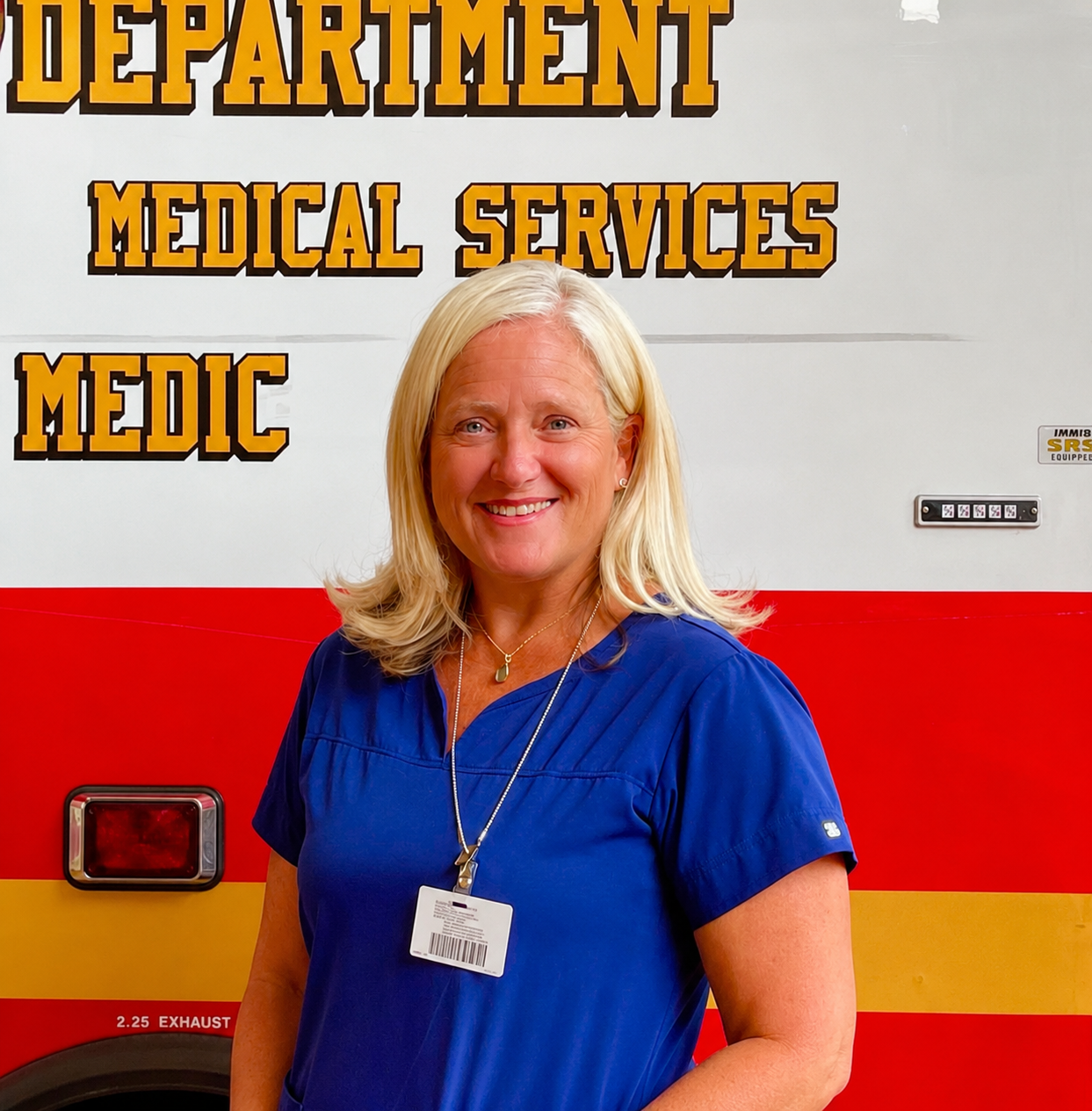
What 34 Years at the Bedside Taught Carolyn Wheeler, RN, About the Decisions No One Warns You About
7:14 AM. Your father’s oxygen alarm goes off. A nurse silences it, checks the line, moves to the next room. You’re standing in the hallway wondering if that was normal or if you should say something.
That’s decision one. There will be dozens more before lunch.
Most families picture a medical crisis as one big decision — surgery or no surgery, this hospital or that one, come home or go to rehab. The truth is smaller and far more exhausting: it’s a hundred small decisions, made back-to-back, usually by someone who has never had to make any of them before.
Carolyn Wheeler, RN has spent 34 years on the other side of that hallway — in emergency medicine, trauma care, critical care, and pediatrics — watching families try to make those hundred decisions with no training, no sleep, and no one translating what’s actually happening.
That’s the work Nightingale Patient Advocates does. Not managing the one big decision. Managing all the small ones that come before it.
The Decisions Nobody Prepares You For
Here’s what a single hospital day can actually look like, decision by decision:
- 6:45 AM — Rounds happen fast. The attending says something about “keeping an eye on the creatinine.” Do you ask what that means, or nod and hope someone explains it later?
- 9:30 AM — A resident recommends a scan. Is it necessary, or precautionary? No one tells you it’s reasonable to ask.
- 11:15 AM — The physical therapist says your mother “isn’t quite ready” for the stairs at home. What does that mean for discharge, three days from now?
- 1:00 PM — A new medication is added. You don’t recognize the name. Is it routine, or does it signal something changed overnight?
- 3:40 PM — The case manager mentions rehab facilities and hands you a list. You have twenty minutes before the next family arrives to tour the room. How do you evaluate a facility in twenty minutes?
- 6:00 PM — Visiting hours end. You leave not knowing if today went well or not, because no one framed it that way.
None of these, on their own, feels like the decision. Together, they are the decision — and most families are making all of them without anyone in the room who can tell them which ones actually matter.
That’s the part 34 years in emergency and critical care nursing teaches you to hear: not just what’s being said, but what’s being left out, and which of the hundred small decisions today is actually the one worth stopping for.
What a Private Nurse Advocate Actually Does — and Doesn’t Do
Concierge healthcare support gets marketed a lot of ways, and some of it overpromises. Here’s the honest version, because trust matters more than a pitch.
A clinical nurse advocate does not:
- Practice medicine, prescribe, or override a physician’s decisions
- Guarantee outcomes, faster discharges, or better treatment
- Replace the relationship between your family and your care team
A clinical nurse advocate does:
- Sit at the bedside as a second, clinically trained set of ears
- Translate what physicians and specialists are actually saying — and flag what they’re not
- Help you tell the difference between a routine update and a decision point
- Organize the hundred small decisions into the handful that actually deserve your full attention
- Prepare you for physician conversations before they happen, not just debrief after
The value isn’t authority. It’s clarity — the kind that only comes from having stood in that room, as a nurse, hundreds of times before.
Why This Matters Most in the Moments You Don’t See Coming
Families rarely call before a crisis. They call in the middle of one — a parent in the ER, a spouse out of surgery, a discharge date suddenly moved up by a day. There’s no time to interview five advocates or read a stack of credentials.
That’s why Nightingale Patient Advocates exists: so that when the hundred small decisions start arriving faster than you can process them, there’s already someone who knows how to sort them — calmly, clinically, and at your side.
Serving families throughout Palm Beach County, including Palm Beach Gardens, Jupiter, Tequesta, Juno Beach, North Palm Beach, Palm Beach Island, West Palm Beach, Delray Beach, and Stuart.
Book a Free Consultation — (215) 680-1523
Frequently Asked Questions
What does a clinical nurse advocate actually do during a hospital stay? A clinical nurse advocate attends rounds and physician conversations alongside the family, translates medical terminology and treatment plans in real time, and helps identify which decisions during a hospital stay require immediate family input versus routine care.
Is a private nurse advocate the same as a case manager or discharge planner? No. Hospital case managers work for the hospital and manage discharge logistics for the facility’s timeline. A private nurse advocate like Carolyn Wheeler, RN works exclusively for the family, with no obligation to the hospital’s discharge schedule or bed availability.
Can a nurse advocate override what my doctor recommends? No. A nurse advocate does not practice medicine or make treatment decisions. Her role is to help families understand physician recommendations clearly enough to make informed decisions themselves.
When should a family call a nurse advocate — before or during a crisis? Most families call during a crisis, which is exactly when Nightingale Patient Advocates is built to help. Support can begin at any point: hospital admission, mid-stay, or discharge planning.