
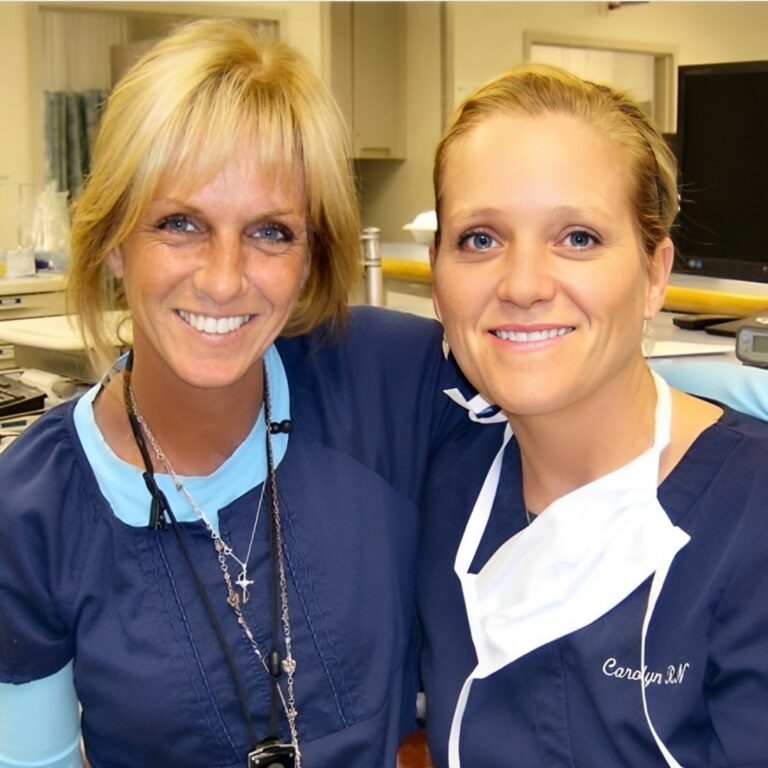
When a loved one is in the hospital, recovering after surgery, navigating memory concerns, facing a difficult diagnosis, or struggling to understand complex medical information, families often feel overwhelmed, exhausted, and uncertain about what to do next. That is where Nightingale Patient Advocates steps in with calm, professional healthcare advocacy and guidance throughout Palm Beach County and Palm Beach County.
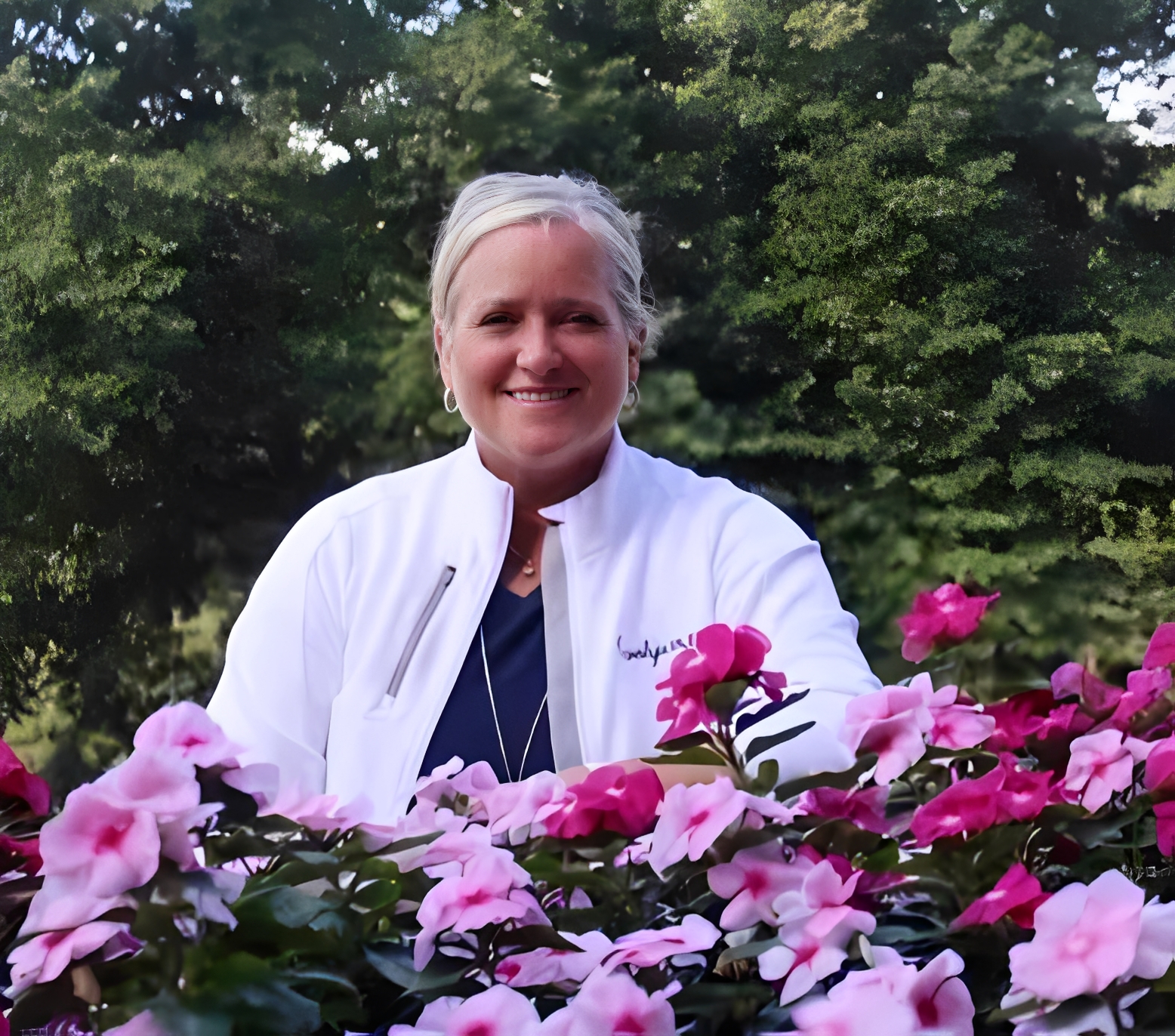
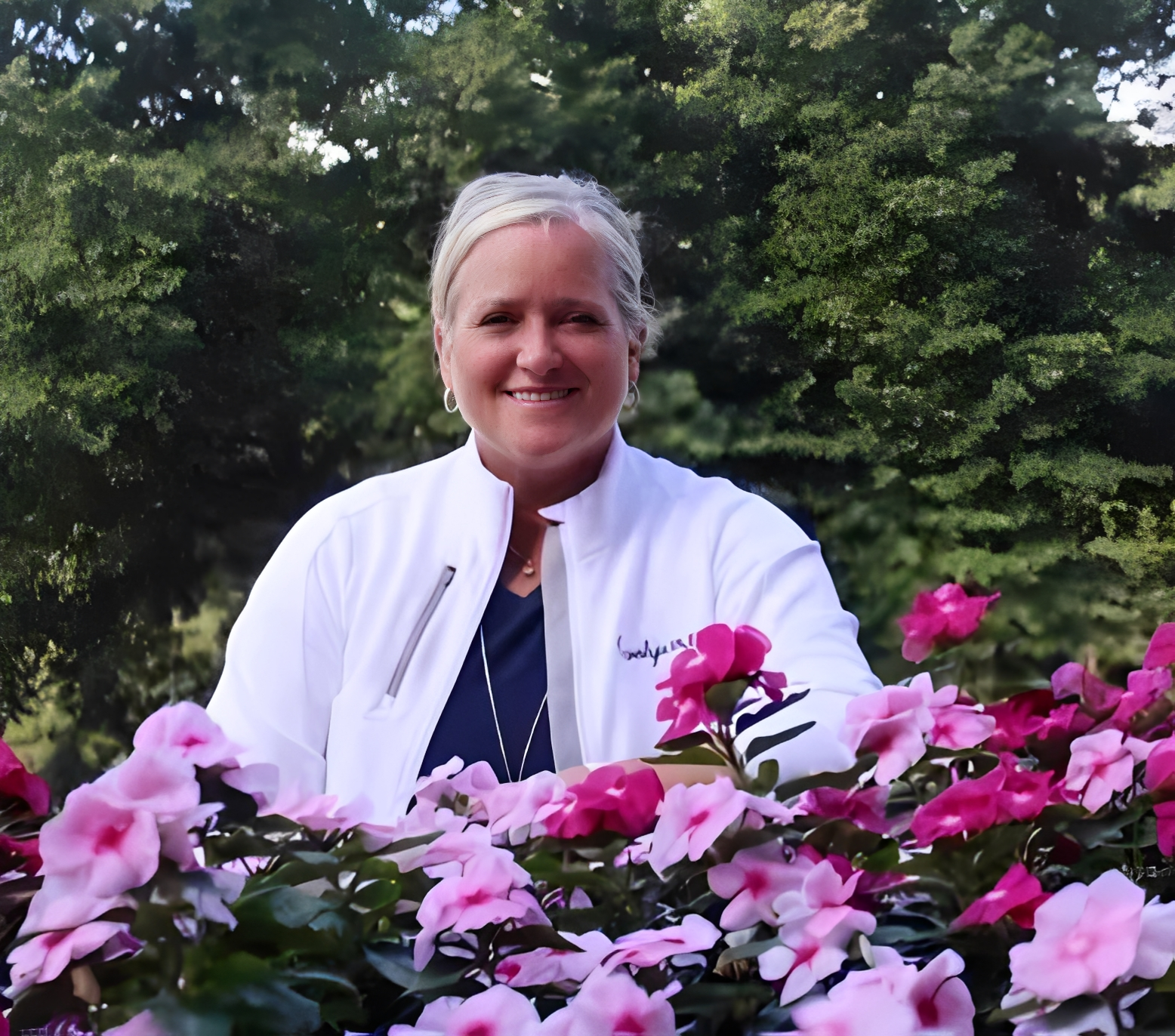
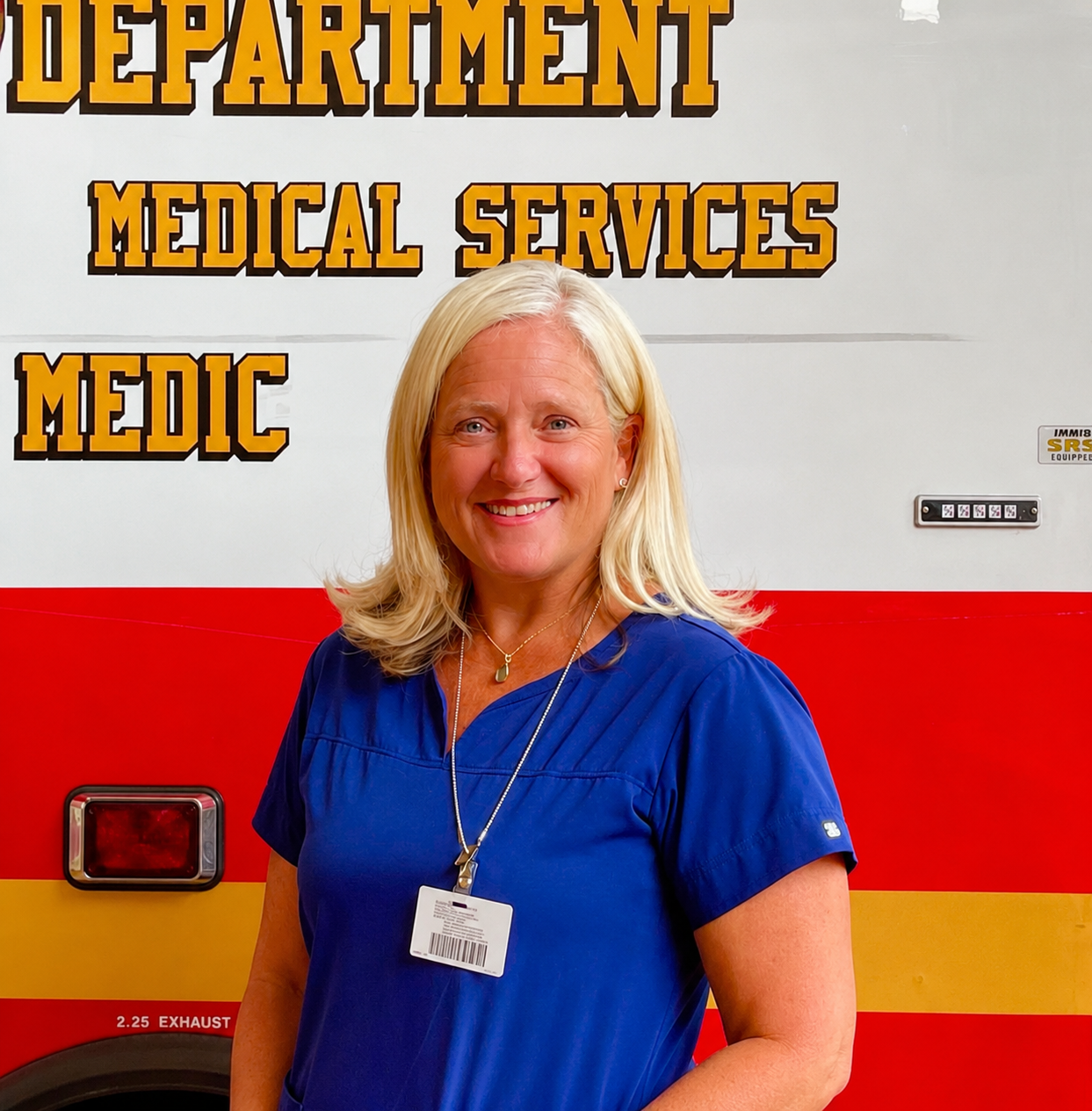
Led by Carolyn Wheeler, a Clinical Nurse Advocate with 34 years of emergency room and trauma experience, Nightingale Patient Advocates helps families understand the healthcare system, communicate more effectively with providers, organize care planning, and avoid confusion during difficult medical situations. Families are often searching for answers during emotional moments. Having an experienced advocate present can bring clarity, structure, communication, and peace of mind.
Jupiter
Tequesta
Juno Beach
Palm Beach Gardens
North Palm Beach
West Palm Beach
Palm Beach Island
Delray Beach
Boynton Beach
Stuart
Boca Raton
Wellington
Palm Beach County
Hospital advocacy
Medical appointment support
Discharge planning guidance
Elder care navigation
Communication assistance with doctors
Healthcare organization
Support during rehabilitation planning
Guidance for aging parents
Help understanding medications and treatment plans
Professional healthcare advocacy during stressful medical events
Healthcare systems are busy. Families are emotional. Important information can be misunderstood or missed. Nightingale Patient Advocates helps bridge those gaps with professionalism, compassion, organization, and experience.
Many families live out of state while parents or loved ones remain in Florida. Others are balancing careers, children, travel, and caregiving responsibilities all at once. During medical emergencies, families often say:
“We don’t know what questions to ask.”
“We feel overwhelmed.”
“We need someone experienced in the room.”
“The hospital process is confusing.”
“We need help understanding discharge planning.”
“We need someone to advocate professionally.”
“We need a second set of ears.”
That is exactly where Nightingale Patient Advocates provides value.
Carolyn Wheeler’s background inside hospitals, trauma systems, emergency departments, rehabilitation coordination, and patient communication allows families to feel more organized and informed during difficult moments.

What We Do – Nightingale Patient Advocates
About Nightingale Patient Advocates
Contact Nightingale Patient Advocates
Johns Hopkins Medicine Patient Advocacy Resources
Cleveland Clinic Family Caregiver Resources
Mayo Clinic Caregiver Support
National Institute on Aging
Medicare.gov
AARP Caregiving Resources
Florida Department of Elder Affairs
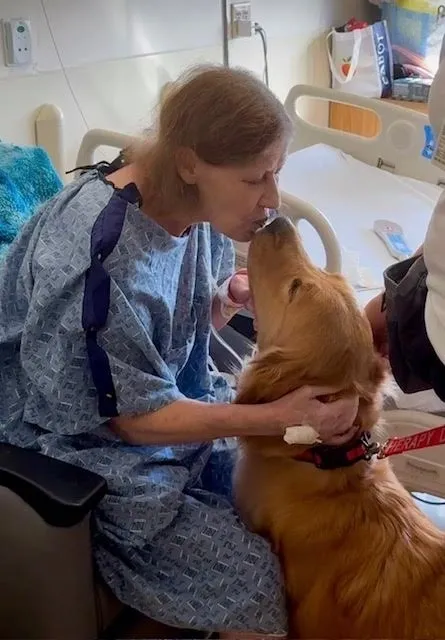
A patient advocate helps families understand medical systems, organize information, improve communication, and navigate healthcare decisions.
No. Nightingale Patient Advocates provides healthcare advocacy, communication support, organization, and guidance.
Yes. Appointment advocacy and medical support are common services.
Many families live outside Florida and need someone local present during important healthcare moments.
Yes. Hospital advocacy and communication assistance are major parts of the service.
Yes. Families often need help understanding rehabilitation, home care, or assisted living recommendations.
Yes. Many clients are older adults navigating complicated healthcare needs.
Yes. Families often request support during cardiology, oncology, neurology, or orthopedic visits.
Palm Beach County and surrounding South Florida communities.
Yes. Organization is a major part of healthcare advocacy.
Yes. Clear communication is extremely important during stressful healthcare situations.
Nightingale helps families approach conversations calmly and professionally.
Yes. Families often need coordinated updates and communication.
Many hospitals encourage strong family advocacy and communication support.
No. Families of all ages may benefit from healthcare guidance.
Yes. Recovery planning and follow-up guidance are common needs.
Advocacy becomes especially important when cognitive concerns are involved.
Yes. Families often need help evaluating options and coordinating transitions.
Yes. Emergency healthcare guidance is part of many family situations.
No. Nightingale supports communication and organization but does not replace medical providers.
No. This is independent patient advocacy and healthcare guidance.
Thirty years of frontline healthcare experience combined with compassionate family-centered guidance.
Families often report feeling calmer and more informed.
Many families reach out during urgent situations.
Families can contact Nightingale directly through the website or phone consultation.
Jupiter Medical Center
Main Number: (561) 263-2234
Website: Jupiter Medical Center
Good Samaritan Medical Center
Main Number: (561) 655-5511
Website: Good Samaritan Medical Center
Palm Beach Gardens Medical Center
Main Number: (561) 622-1411
Website: Palm Beach Gardens Medical Center
Cleveland Clinic Martin Health
Main Number: (772) 287-5200
Website: Cleveland Clinic Martin Health
Bethesda Hospital East
Main Number: (561) 737-7733
Website: Bethesda Hospital East
The Carlisle Palm Beach
Main Number: (561) 533-9440
Website: The Carlisle Palm Beach
Devonshire at PGA National
Main Number: (561) 227-2000
Website: Devonshire at PGA National
MorseLife Health System
Main Number: (561) 471-5111
Website: MorseLife Health System
Area Agency on Aging of Palm Beach/Treasure Coast
Helpline: (866) 684-5885
Website: Area Agency on Aging
Families do not always need another opinion. Sometimes they simply need an experienced, calm, organized professional who can help them understand what is happening, ask the right questions, improve communication, and reduce confusion during difficult healthcare moments.
That is the role of Nightingale Patient Advocates — helping families feel more informed, more prepared, and less alone during important healthcare decisions.