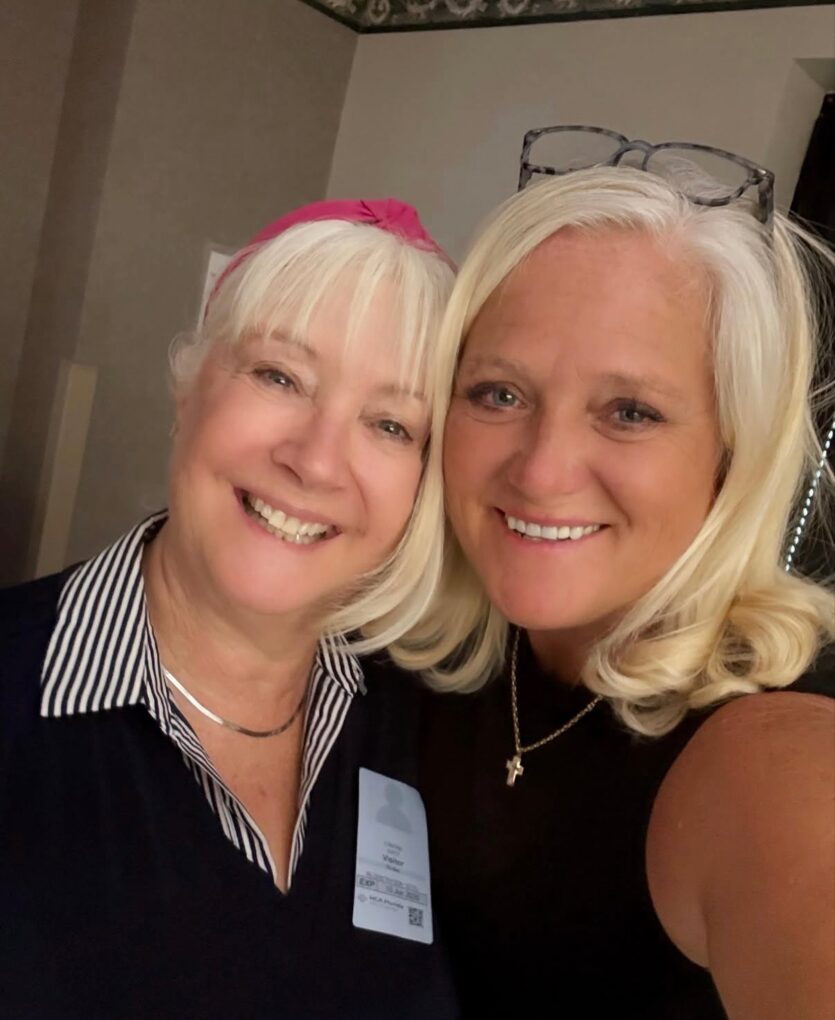
By Carolyn Wheeler, RN
Nightingale Patient Advocates
When a patient presses the call bell, they expect an experienced nurse to respond quickly. That expectation is reasonable. Yet many patients and families do not realize how often nurses are caring for several people at once, each with important and immediate needs.
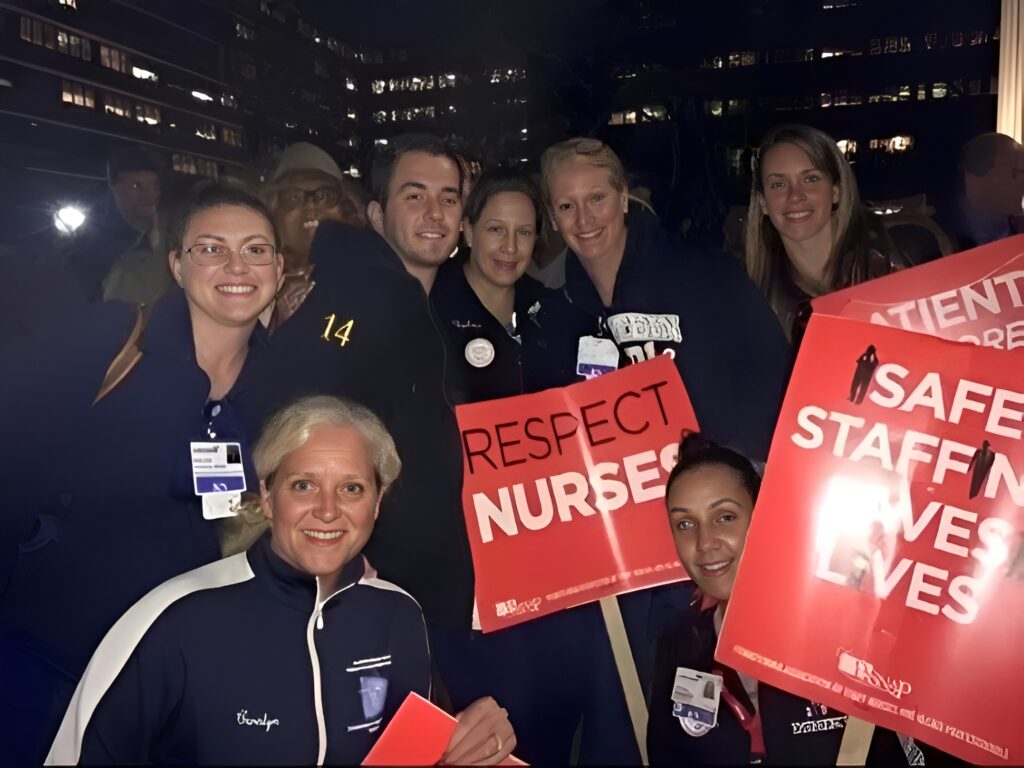
Across the country, nurses are speaking up about safe staffing. They want a meaningful voice in decisions that affect patient care, workplace safety, and the ability to provide the attention every patient deserves.
This conversation is not only about pay or benefits. At its heart, it is about patient safety.
Why Safe Nurse Staffing Matters
A nurse’s role involves much more than administering medication or checking vital signs. Nurses assess patients throughout the day, recognize subtle changes in condition, communicate with physicians, educate families, prevent complications, coordinate discharge plans, and respond during emergencies.
All of this happens during the same shift.
When nurse staffing levels are stretched too thin, nurses must constantly decide what needs attention first. Their compassion does not change. Their commitment does not change. What changes is the amount of time available for each patient.
Limited staffing can lead to delayed call-light responses, rushed patient education, increased stress, and fewer opportunities to notice changes before they become emergencies.
Safe nurse staffing gives bedside nurses the time and resources to provide thoughtful, attentive, high-quality care.
Why Nurses Want a Stronger Voice
Nurses understand the daily realities of patient care because they are at the bedside. Many want a greater role in decisions involving:
- Safe staffing levels
- Nurse recruitment and retention
- Workplace safety
- Burnout prevention
- Resources for quality patient care
Some nurses pursue union representation or collective bargaining. Others speak up through professional organizations, hospital committees, or direct advocacy. The method may differ, but the goal is often the same: create safer conditions for patients and the nurses who care for them.
Healthcare works best when bedside professionals are included in decisions about how care is delivered.
What Patients and Families Should Know
Patients may never know how many people their nurse is responsible for during a shift. They only know that they need help, reassurance, information, or relief from pain.
As a registered nurse and clinical patient advocate, I have seen how hard hospital nurses work under demanding conditions. When a conversation feels rushed or a response takes longer than expected, it is rarely because a nurse does not care. Often, that nurse is responding to another patient who also needs urgent attention.
Understanding safe staffing helps families better appreciate the work nurses do every day. It also explains why nurses are advocating for a stronger voice in patient-care decisions.
How a Patient Advocate Can Help
Even at excellent hospitals, a medical crisis can feel overwhelming. Patients and families may struggle to understand medical information, remember questions, follow the treatment plan, or communicate concerns during a stressful stay.
An independent patient advocate adds another layer of support. A patient advocate can help families prepare questions, understand the plan of care, improve communication, and stay informed during important medical decisions.
Patient advocacy does not replace the bedside nurse. It works alongside the healthcare team to help patients remain informed, involved, and empowered.
The Bottom Line
Safe staffing supports nurses, protects patients, and strengthens hospital care.
When nurses have a voice in staffing, safety, and workplace decisions, patients benefit from more attentive, compassionate, patient-centered care.
At Nightingale Patient Advocates, we believe the best outcomes happen when patients, families, nurses, physicians, and hospital leaders work together toward one shared goal: safer care for every patient.